How many days do you really need in Morocco? Seven days can create a rewarding, focused journey; ten days can connect imperial cities with the Sahara; twelve days opens a natural north-to-south route; and fourteen days lets the country unfold at a more relaxed pace. The best Morocco itinerary is not the one with the most pins on a map. It is the one that matches your flights, interests and appetite for time on the road.
How many days do you need in Morocco?
For a first visit, 10 to 14 days is the most useful range. It gives enough time to understand the contrast between historic cities, the Atlas Mountains, oasis valleys and the Sahara without turning every day into a transfer. Seven days still works well when the route stays focused, while twelve days is particularly effective for travelers arriving in Tangier and finishing in Marrakech.
Morocco is larger and more varied than many first-time visitors expect. Marrakech, Fes, Chefchaouen and the Sahara may look close together on a screen, but mountain roads, worthwhile stops and the simple pleasure of arriving before dark all affect the pace. A private journey makes that balance easier because the route can respond to your energy, arrival time and the season.
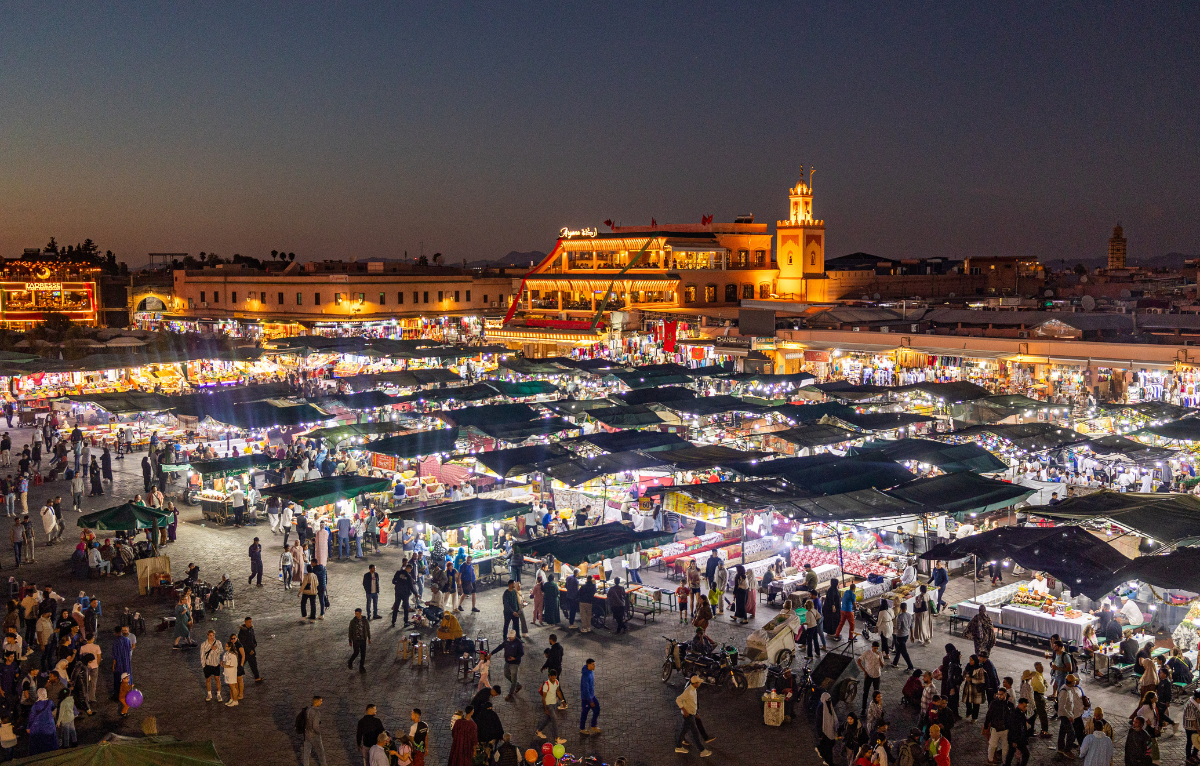
Morocco itinerary comparison: 7, 10, 12 or 14 days
- 7 days from Marrakech: best for active travelers who already have time in Marrakech and want the Sahara, Fes and Chefchaouen in one circuit. Expect substantial driving.
- 10 days from Casablanca: a balanced first journey through Rabat, Chefchaouen, Fes, the Sahara and Marrakech.
- 12 days from Tangier: a natural north-to-south crossing through Chefchaouen, the imperial cities, the Sahara and Marrakech.
- 14 days: the strongest all-round choice for a slower Grand Morocco journey with more two-night stays and room for the Atlantic coast.
Your arrival and departure airports matter almost as much as the number of nights. An open-jaw trip—arriving in one city and leaving from another—usually creates a better journey than retracing a long route simply to catch a return flight.
Seven days in Morocco: keep the route focused
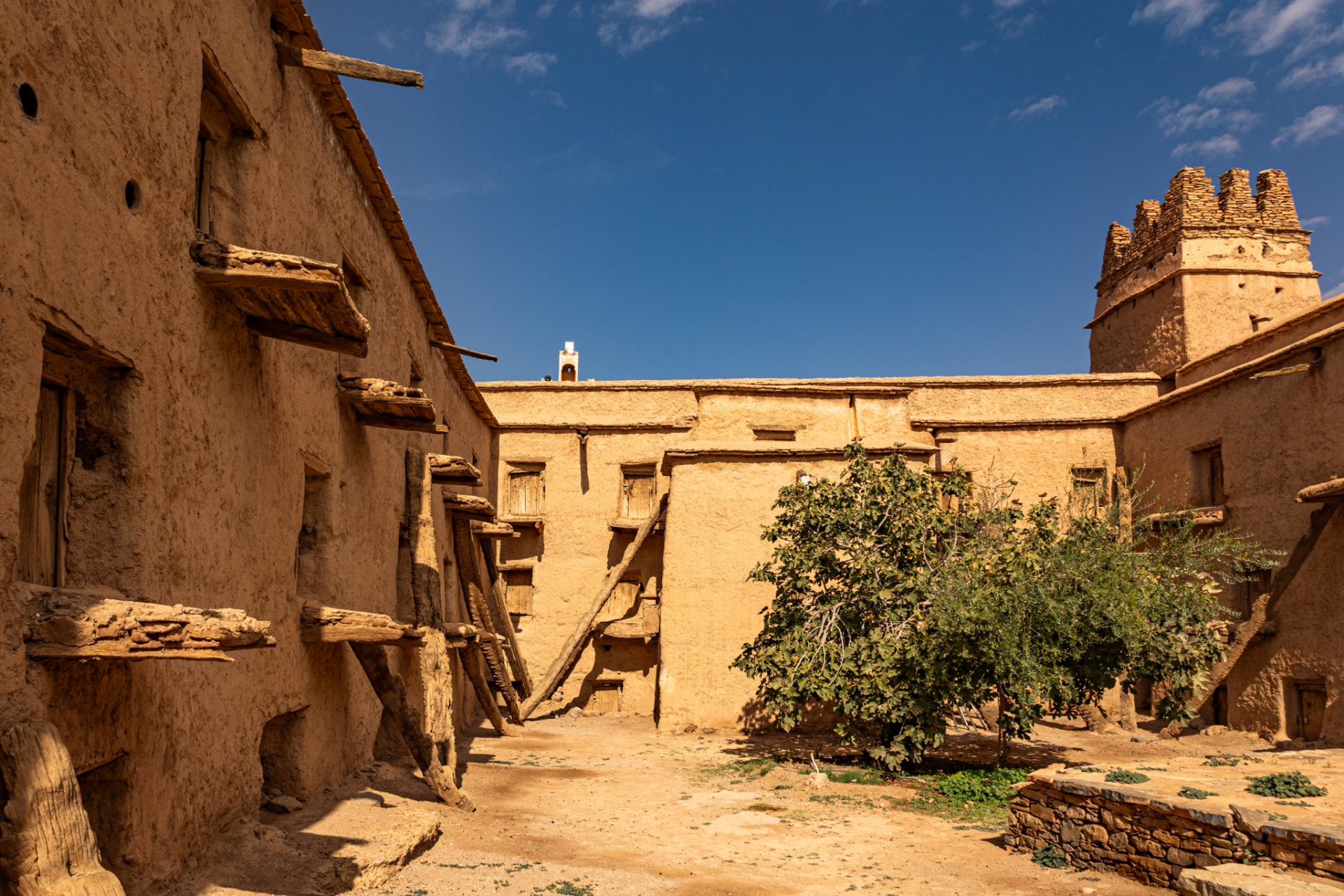
Choose seven days when you have one week and are comfortable with an active itinerary. A southern circuit from Marrakech can focus on the High Atlas, Ait Ben Haddou, Skoura, the valleys and one Sahara region. Travelers who already have time in Marrakech can instead continue all the way through the Sahara to Fes and Chefchaouen before returning via Rabat.
A realistic seven-day outline
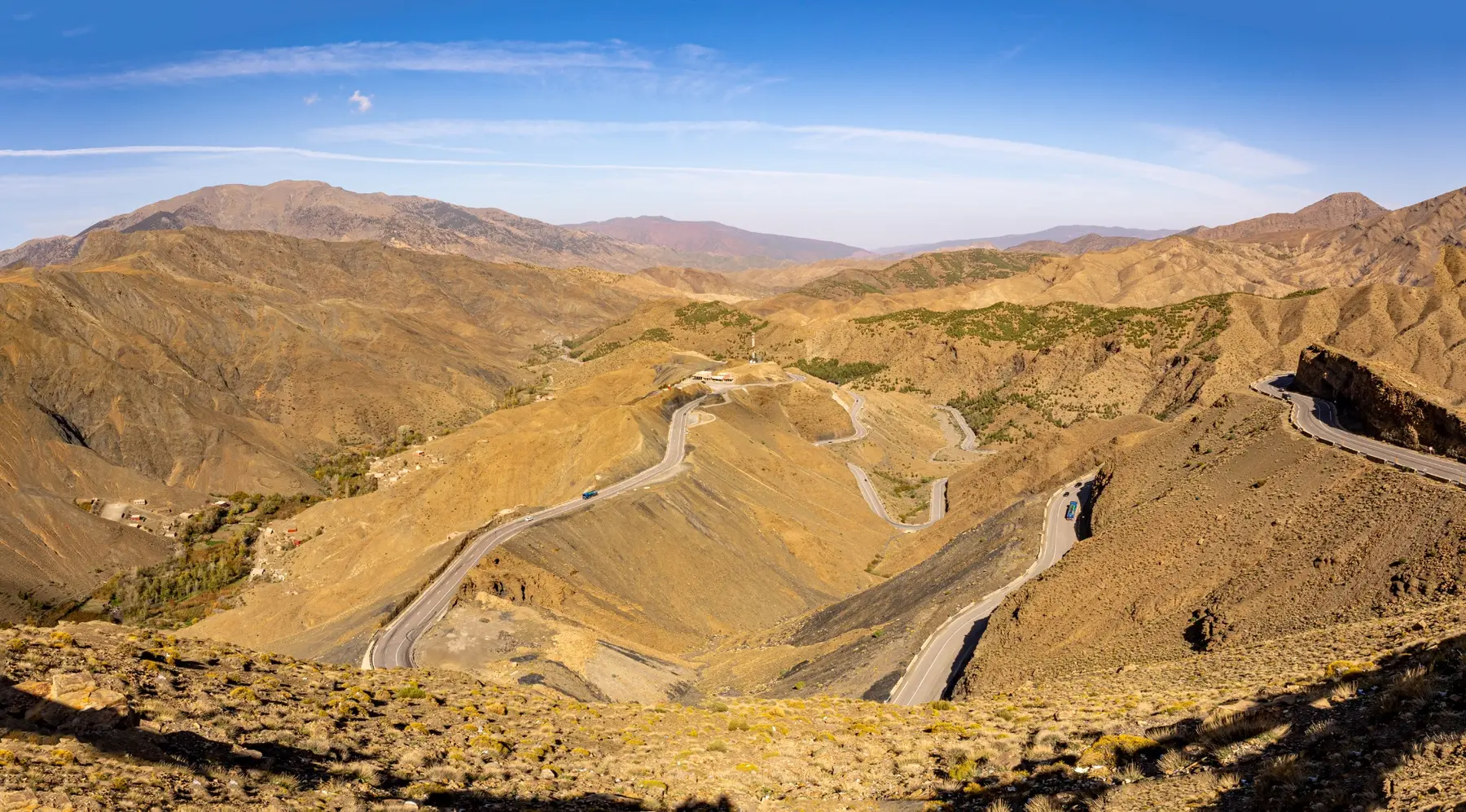
- Day 1: Marrakech to Skoura across the High Atlas and Ait Ben Haddou.
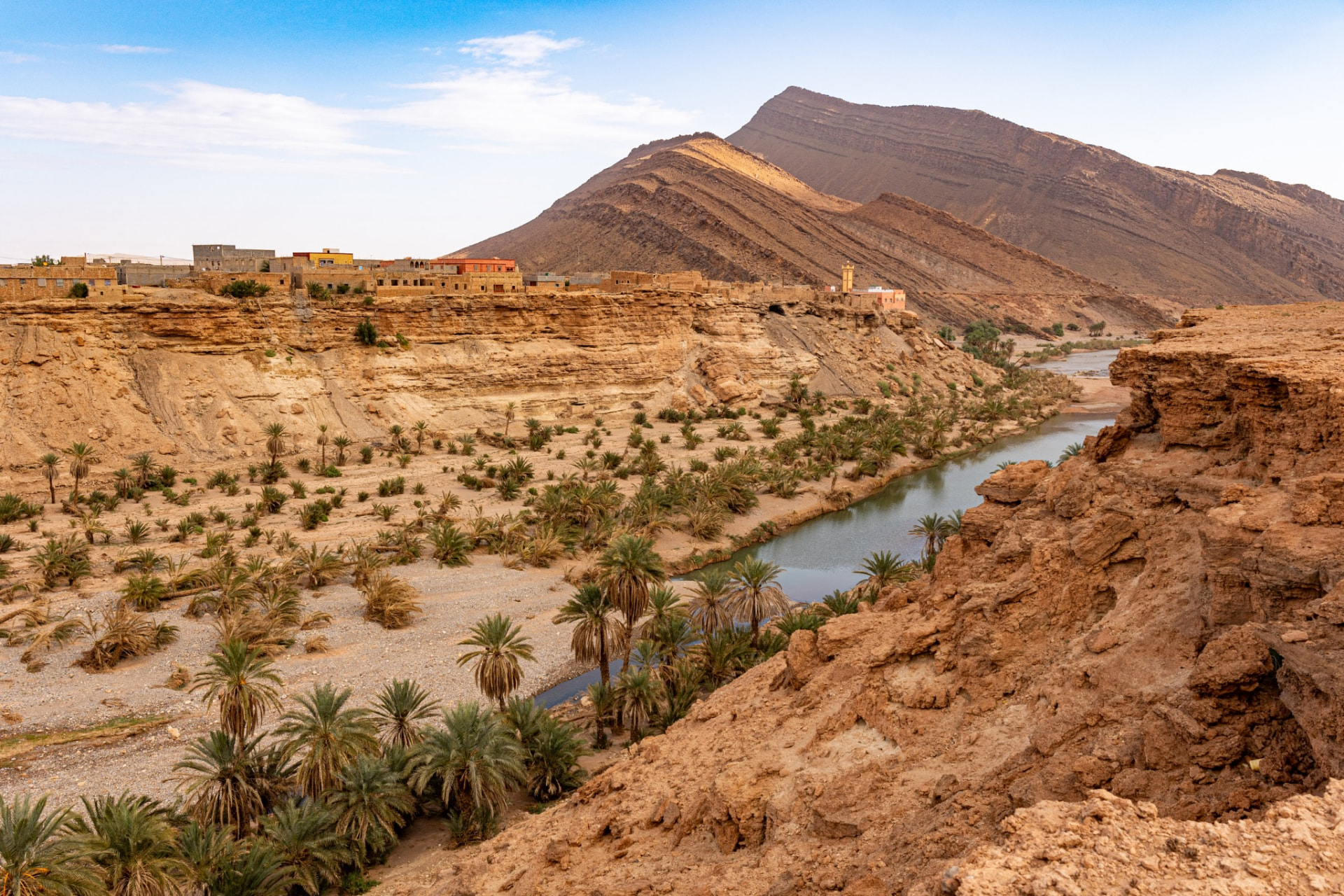
- Day 2: Skoura through the Valley of the Roses and Todra to the Sahara.
- Day 3: A full desert-region day and a second Sahara night.
- Day 4: Cross the Middle Atlas to Fes.
- Day 5: Explore Fes with a specialist local guide.
- Day 6: Travel to Chefchaouen for the afternoon and evening.
- Day 7: Chefchaouen through Rabat to Marrakech.
This route is possible, but it is not slow travel. It suits guests who value variety and accept several long road days. Our 7-day Morocco tour from Marrakech shows this broader circuit in full. For a quieter week, stay in southern Morocco and return from the Sahara without adding Fes and Chefchaouen.
Choose Erg Chebbi, near Merzouga, for Morocco's best-known high dunes and a route that can continue naturally to Fes. Choose Erg Chigaga, beyond M'Hamid, for a wilder off-road experience connected to the Draa Valley. Trying to include both deserts in one week creates too much driving.
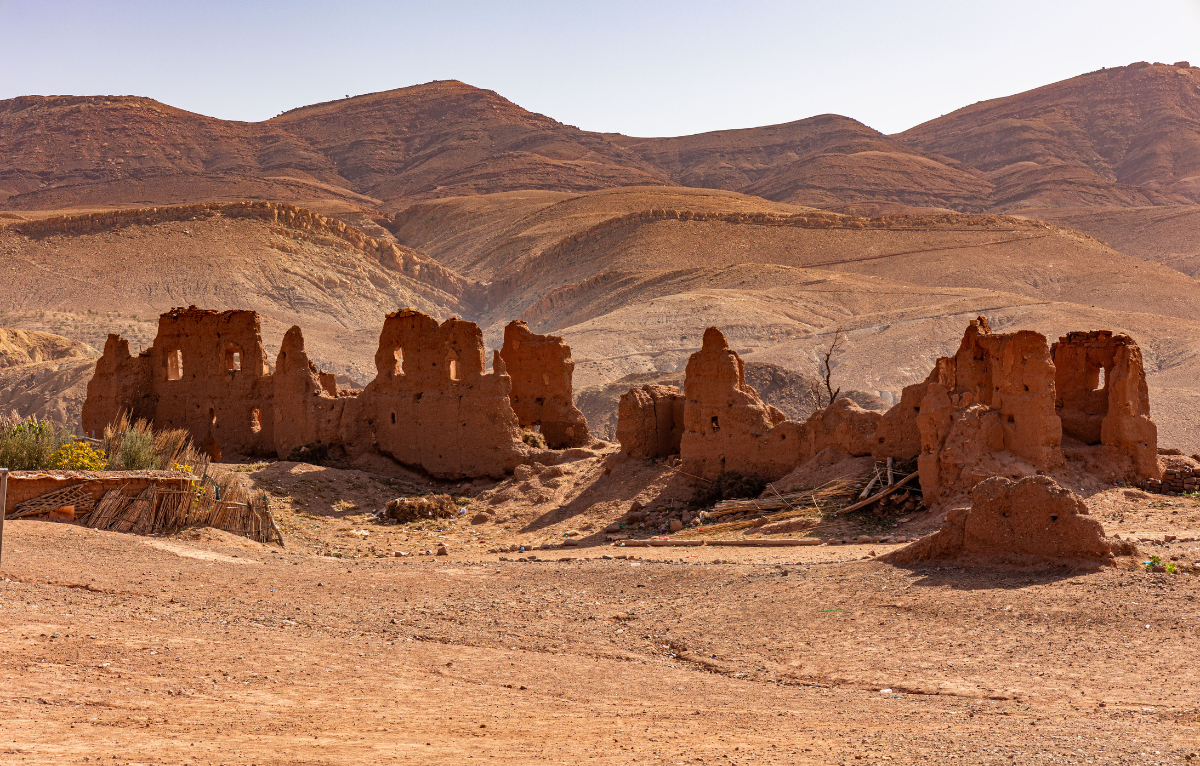
Ten days in Morocco: the balanced first journey
Choose ten days when you want Morocco's historic cities and the Sahara in one coherent route. Starting in Casablanca works especially well for international arrivals and avoids using a precious day simply to return to the same point.
A realistic ten-day outline
- Day 1: Casablanca to Rabat.
- Day 2: Rabat to Chefchaouen.
- Day 3: Chefchaouen to Fes via Volubilis.
- Day 4: A full privately guided day in Fes.
- Day 5: Cross the Middle Atlas toward the southeast.
- Days 6–7: Two nights in the Sahara region.
- Day 8: Todra, the valleys and Skoura.
- Day 9: Ait Ben Haddou and the High Atlas road to Marrakech.
- Day 10: Marrakech or departure, depending on flight times.
The exact balance depends on when your flight lands and whether Marrakech time sits before or after the private tour. The complete 10-day route from Casablanca is designed for travelers who want the north, Fes and two Sahara nights without stretching a shorter itinerary beyond what feels enjoyable.
What to expect: strong variety and a logical geographical flow, with meaningful driving days between Fes, the desert and Marrakech. If you want slower mornings, more independent time or a longer Atlantic finish, add at least two nights.
Twelve days in Morocco: Tangier to Marrakech
Choose twelve days when you are arriving in northern Morocco and want to travel south rather than repeat ground. Tangier creates a distinctive opening: the Mediterranean and Atlantic character of the north leads naturally into Chefchaouen, Volubilis, Meknes and Fes before the road turns toward the Sahara.
A balanced twelve-day outline
- Days 1–2: Tangier and Chefchaouen.
- Day 3: Volubilis, Meknes and Morocco's wine country en route to Fes.
- Days 4–5: Fes and its living medina.
- Day 6: Middle Atlas and the Ziz Valley.
- Days 7–8: Two nights around the Sahara dunes.
- Days 9–10: Todra, Skoura, Ait Ben Haddou and the Ounila Valley.
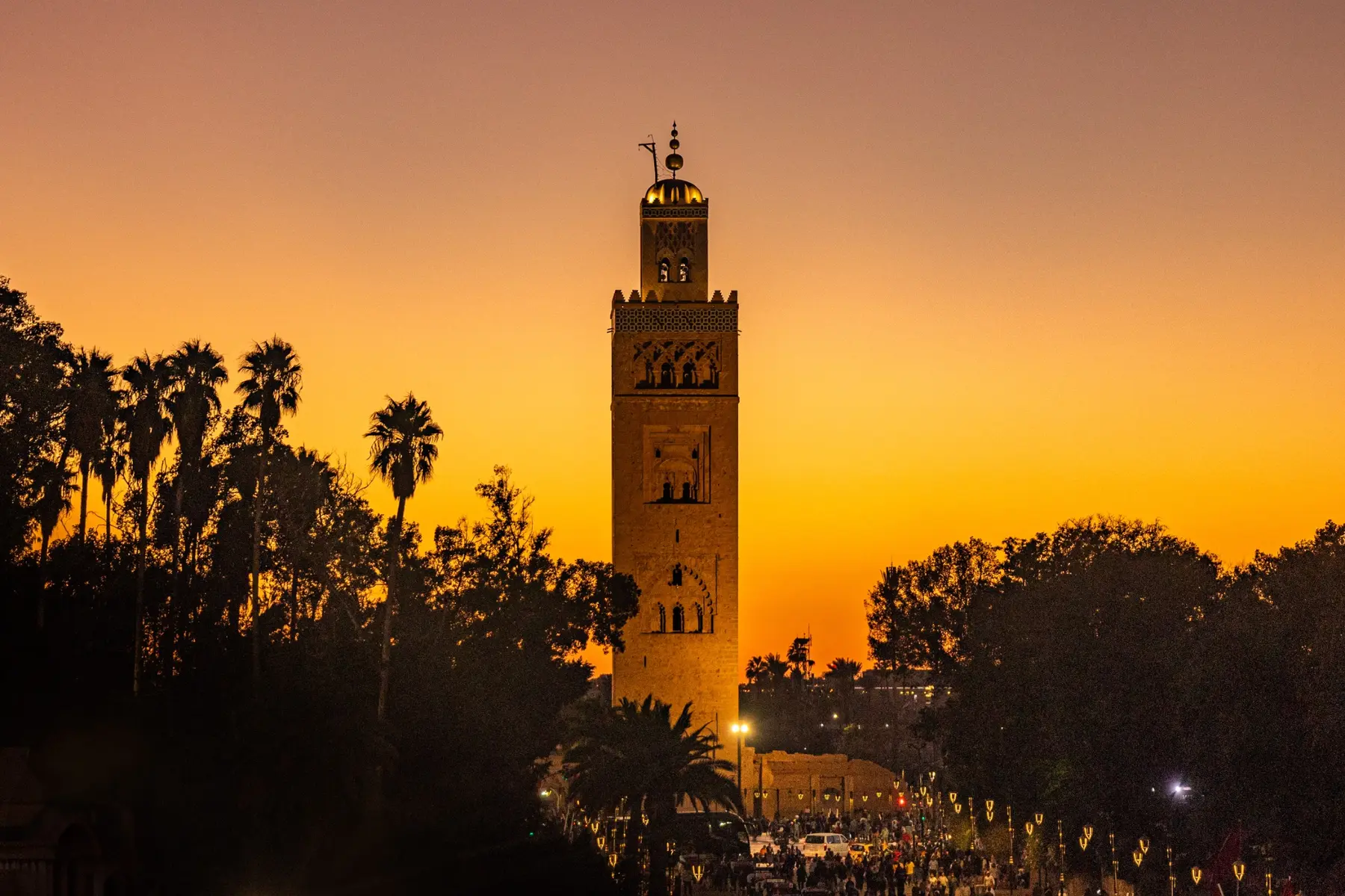
- Days 11–12: Marrakech and departure or onward travel.
Our 12-day Morocco tour from Tangier to Marrakech is the practical version of this north-to-south plan. It is different from a short northern tour because it continues beyond Fes through the desert and southern valleys.
What to expect: a substantial but well-shaped crossing of the country. It works best with an arrival in Tangier and departure from Marrakech; adding a return to Tangier would weaken the route.
Fourteen days in Morocco: the most complete first visit
Choose fourteen days when you want cultural depth, boutique accommodation and occasional two-night stays rather than moving every morning. Two weeks creates room for Chefchaouen, Fes, the Sahara, the south, Marrakech and—when flights and pace allow—Essaouira.
A balanced fourteen-day outline
- Day 1: Casablanca and Rabat.
- Days 2–3: Chefchaouen and the Rif Mountains.
- Day 4: Volubilis and Meknes en route to Fes.
- Days 5–6: Fes, its medina, artisans and food traditions.
- Day 7: Middle Atlas journey toward the Sahara.
- Days 8–9: Erg Chebbi and its surrounding communities.
- Days 10–11: Todra, the Valley of the Roses, Skoura and Ait Ben Haddou.
- Days 12–13: Marrakech, or continue to Essaouira when the coast is a priority.
- Day 14: Departure according to the final route.
The 14-day Grand Morocco Tour is our fullest first-time route. It leaves more space for local food, crafts, an oasis walk or simply an afternoon at your riad—experiences that disappear first when too many destinations are forced into fewer days.
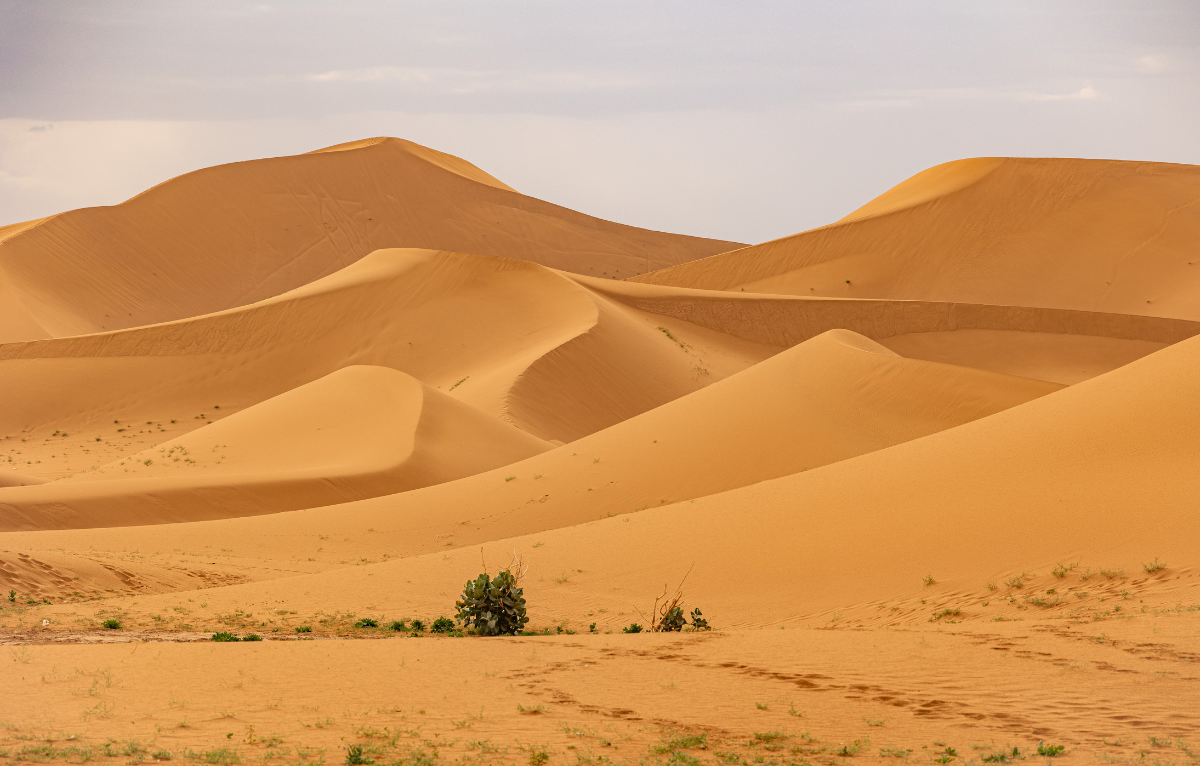
Where should a Morocco itinerary start and finish?
Casablanca
Casablanca is the most practical start for many long-haul flights. Rather than spending several sightseeing days there, most private routes continue to Rabat or travel north toward Chefchaouen.
Marrakech
Marrakech is ideal for southern Morocco and one-week itineraries. A Marrakech-to-Marrakech circuit is convenient, but adding both the far north and the Sahara creates long final transfers.
Tangier
Tangier is the strongest starting point for a north-to-south journey. It works particularly well for arrivals from Spain and travelers who want Chefchaouen without doubling back from Casablanca.
Fes
Fes is a useful gateway for a Sahara crossing toward Marrakech. The classic Fes-to-Marrakech desert route saves time compared with returning to the same city.
How season changes the route
Spring and autumn offer the easiest balance across cities, mountains and desert, but popular riads and camps should be reserved early. Summer favors the north, Atlantic coast and High Atlas; Sahara travel requires careful timing and realistic expectations about heat. Winter brings clear desert light and quieter cities, while mountain crossings can be cold and occasionally affected by snow.
Ramadan changes opening rhythms and mealtimes but does not prevent a rewarding journey. Major festivals and holiday periods can affect accommodation, guides and traffic. Check our month-by-month guide to the best time to visit Morocco before fixing the route.
Common Morocco itinerary mistakes
Planning from map distance alone
Road quality, mountain passes, breaks and worthwhile visits matter more than the number of kilometres. A transfer that appears short can fill most of a day.
Treating the Sahara as a one-night detour
Reaching the dunes late and leaving after breakfast misses the landscape and the people around it. Two nights in the desert region are preferable whenever the wider itinerary allows.
Adding Chefchaouen to every route
Chefchaouen is rewarding, but its northern location must fit the journey. On a short Marrakech-based trip, adding it may cost more time on the road than it gives on the ground.
Booking return flights from the wrong city
Open-jaw flights can save an entire day. Confirm the route before buying domestic connections or committing to a return from the arrival airport.
Changing accommodation every night
One-night stays are sometimes necessary on crossing days, but the best itineraries protect two-night stays in places such as Fes, the Sahara and Marrakech.
Private travel, accommodation and what to expect
A private Morocco journey gives you control over pace, stops and daily priorities. Your driver accompanies the road journey, while specialist local guides bring cities such as Fes and Marrakech to life. We favor carefully selected independent riads, kasbahs, lodges and desert camps; character, hospitality and location matter more than a conventional star label.
Every proposal should state what is included and what remains flexible. Accommodation level, room configuration, guides, meals, activities and airport transfers can then be matched to your group rather than hidden behind a standard package description.
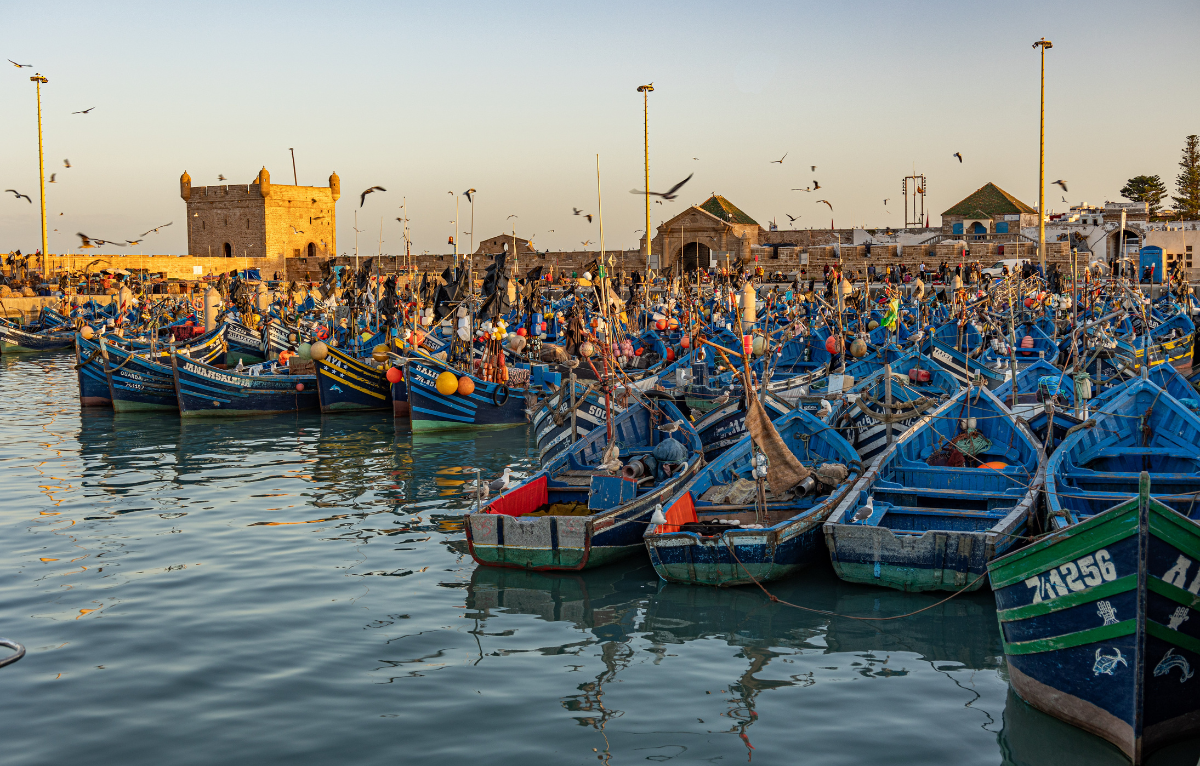
Morocco itinerary FAQs
How many days are enough for Morocco?
Ten days is a strong first visit, while twelve to fourteen days gives a more comfortable route with greater regional variety. Seven days works best when you focus on one logical circuit.
Is seven days enough for Marrakech and the Sahara?
Yes. Seven days allows Marrakech, the High Atlas, southern valleys and one Sahara region. Adding Fes and Chefchaouen is possible for active travelers, but it creates substantial driving.
What is the best Morocco itinerary for first-time visitors?
For most first-time visitors, a 10- to 14-day route linking Rabat, Chefchaouen, Fes, the Sahara, the southern valleys and Marrakech provides the best balance of culture and landscape.
Should I visit Erg Chebbi or Erg Chigaga?
Erg Chebbi fits naturally between Fes and Marrakech and has Morocco's most famous high dunes. Erg Chigaga is more remote and works best in a southern route through the Draa Valley. Choose one rather than rushing both.
Can I combine Chefchaouen and the Sahara?
Yes, but allow at least ten days and plan the route north to south. Twelve or fourteen days gives a better pace, especially if you also want meaningful time in Fes and Marrakech.
Is it better to start in Casablanca, Marrakech or Tangier?
Casablanca suits many international arrivals, Marrakech is ideal for southern circuits, and Tangier is best for a north-to-south journey. The best choice depends on flights and where you want to finish.
Plan a Morocco itinerary around your dates
Tell us your arrival and departure airports, travel dates, group size and the experiences that matter most. We will suggest an honest pace and shape a fully private route around your interests—whether you have seven days, ten days, twelve days or two full weeks.