Photograph: Oualid Naciri
15 days · Private photography journey
Morocco Photography Tour: 15 Private Days Through the Coast, Anti-Atlas & Sahara
A private Morocco photography tour shaped around light rather than a timetable — from Atlantic ramparts and the granite Anti-Atlas to the fortified granaries of Amtoudi and the open dunes of Erg Chigaga.
Most Morocco photography tours are fixed-date workshops: a group, a leader and a set schedule. This journey is different. It is a private Morocco photography trip for your own party only, with your own driver, built so that the day can bend around the light — an early start for Aït Ben Haddou, an unplanned stop when a storm crosses the Anti-Atlas, a second evening on Essaouira's ramparts.
The route goes where the classic imperial-city circuit does not. After the Atlantic coast and Marrakech, it crosses the High Atlas by the Tizi n'Test and spends four days in the Anti-Atlas and the deep south: the granite of Tafraout and the Ameln Valley, the cliff-top granaries of Amtoudi, the communal storehouse at Aït Kine, and the empty roads through Akka, Tata and Foum Zguid. Then it leaves the tarmac for Erg Chigaga, the larger and more remote of Morocco's two great dune fields, before returning through the Draa Valley and the Ounila Valley.
To be clear about what it is not: there is no workshop and no professional photographer leading the trip, and tuition is not included. It suits photographers who already know what they want to shoot and value time, access and flexibility above instruction. If you would like a specialist photographer to join some or all of the days, ask — we will tell you honestly whether we can arrange one for your dates before anything is confirmed.
It also works well when only one person in your party photographs. Private pacing means a partner can stay at the riad, take a hammam or walk the medina while the photographer chases first light, and the longer road days are broken up for everyone, not just the camera.
The journey is adapted to your dates, pace, interests and preferred level of accommodation.
Plan your Morocco Photography Tour: 15 Private Days Through the Coast, Anti-Atlas & SaharaHighlights
- Two nights in Essaouira for harbour, medina and Atlantic weather
- The Tizi n'Test crossing of the High Atlas into the Souss
- Tafraout's granite and the almond and argan terraces of the Ameln Valley
- Two nights at Icht for Amtoudi's fortified granaries at good light
- Aït Kine, Akka and Tata — southern oases rarely on itineraries
- A night at Erg Chigaga, reached by 4x4 across the desert
- Aït Ben Haddou at first light, then the Ounila Valley to Telouet
The route
The route at a glance
Every stop marked below is a real place on the journey, drawn to its true position — numbered in the order you visit them, with the nights you spend in each.
Day by day
Your 15-day photography itinerary, day by day
14 nights: El Jadida 1, Essaouira 2, Marrakech 2, Taroudant 1, Tafraout 1, Icht 2, Foum Zguid 1, Erg Chigaga camp 1, Zagora 1, Tamedaght / Aït Ben Haddou 1, Marrakech 1. Arrival in Casablanca; departure from Marrakech. Driving times are approximate moving times — photo stops add to them, and that is the point.
Driving times are approximate time in the vehicle, not the length of the whole day. Sightseeing, meals and rest stops add time; traffic, weather, road conditions and your exact accommodation can change the estimates.
Day 1
Casablanca to El Jadida
Meet your private driver on arrival in Casablanca and begin the journey south along the Atlantic coast. Depending on your arrival time, stop in Azemmour, whose medina walls drop straight into the Oum Er-Rbia river, before continuing to El Jadida. The Portuguese City offers one of the most distinctive architectural settings on Morocco's Atlantic coast, with stone ramparts, narrow lanes and the vaulted cistern, where a thin shaft of daylight falls onto still water. Photography focus: Atlantic architecture, ramparts, the cistern, late-afternoon coastal light. Overnight in El Jadida.
- Driving:
- About 1½–2 hours from Casablanca airport
- Overnight:
- El Jadida · 1 night
Day 2
El Jadida, Oualidia, Safi & Essaouira
Follow the Atlantic south through lagoons, coastal farmland and fishing communities. Pause around Oualidia, where the protected lagoon creates a softer coastal landscape, before continuing toward Safi, known for its pottery quarter and working port. Reach Essaouira in the afternoon. The whitewashed medina, ochre ramparts, blue fishing boats and changing Atlantic weather make this one of Morocco's most naturally photogenic towns. Photography focus: lagoon landscapes, pottery kilns, fishing harbours, Atlantic light. Overnight in Essaouira.
- Driving:
- About 4–5 hours with coastal stops
- Overnight:
- Essaouira · first night
Day 3
Essaouira at Your Own Pace
A full day in Essaouira without a long drive. The medina is quietest early, and the harbour is at its busiest when boats return and the catch is sold — timing varies with tide and weather, so your driver and riad can advise on the day. Spend time around the Skala ramparts and seafront, where fishermen, gulls, boats and moving cloud create constantly shifting scenes, and keep the evening free for sunset over the Atlantic. Photography focus: medina life, harbour activity, blue boats, ramparts, sunset. Overnight in Essaouira.
- Driving:
- No intercity driving
- Overnight:
- Essaouira · second night
Day 4
Essaouira to Marrakech
Leave the Atlantic and travel inland toward Marrakech through argan country. The road offers rural landscapes and, when naturally encountered, goats climbing argan trees — these should never be staged or paid for as a photo set-up. Arrive in Marrakech and settle into your riad. Toward evening, watch Jemaa el-Fna change from daytime market to one of Morocco's most intense urban scenes; a café terrace above the square gives the wider view. Photography focus: argan landscapes, Marrakech rooftops, Jemaa el-Fna at dusk. Overnight in Marrakech.
- Driving:
- About 3 hours
- Overnight:
- Marrakech · first night
Day 5
Marrakech: Architecture, Markets & Street Life
Explore Marrakech with a licensed local guide who provides cultural context rather than photography instruction, and who can help you ask before photographing people. Visit architectural sites such as Bahia Palace and the Saadian Tombs, then continue through selected areas of the medina and souks, including craft quarters where artisans work in open workshops. Late afternoon and evening stay flexible for street scenes and changing light. Photography focus: zellij, carved plaster and cedar, souks, artisans, architecture. Overnight in Marrakech.
- Driving:
- Local transfers only
- Overnight:
- Marrakech · second night
Day 6
Marrakech, High Atlas, Tizi n'Test & Taroudant
Leave Marrakech and enter the High Atlas via Asni toward the Tinmel area, then continue over the Tizi n'Test, one of Morocco's most dramatic mountain roads, with sweeping views over valleys, villages and finally the Souss plain. The region is still recovering from the September 2023 earthquake and road conditions can change, so we confirm the route close to your dates and use the Tizi n'Test only when it is sensible. Descend to Taroudant, a walled market town that feels very different from Marrakech. Photography focus: mountain villages, High Atlas panoramas, switchback roads, Taroudant's ramparts at sunset. Overnight in Taroudant.
- Driving:
- About 5–6 hours via the Tizi n'Test
- Overnight:
- Taroudant · 1 night
Day 7
Taroudant to Tafraout via the Anti-Atlas
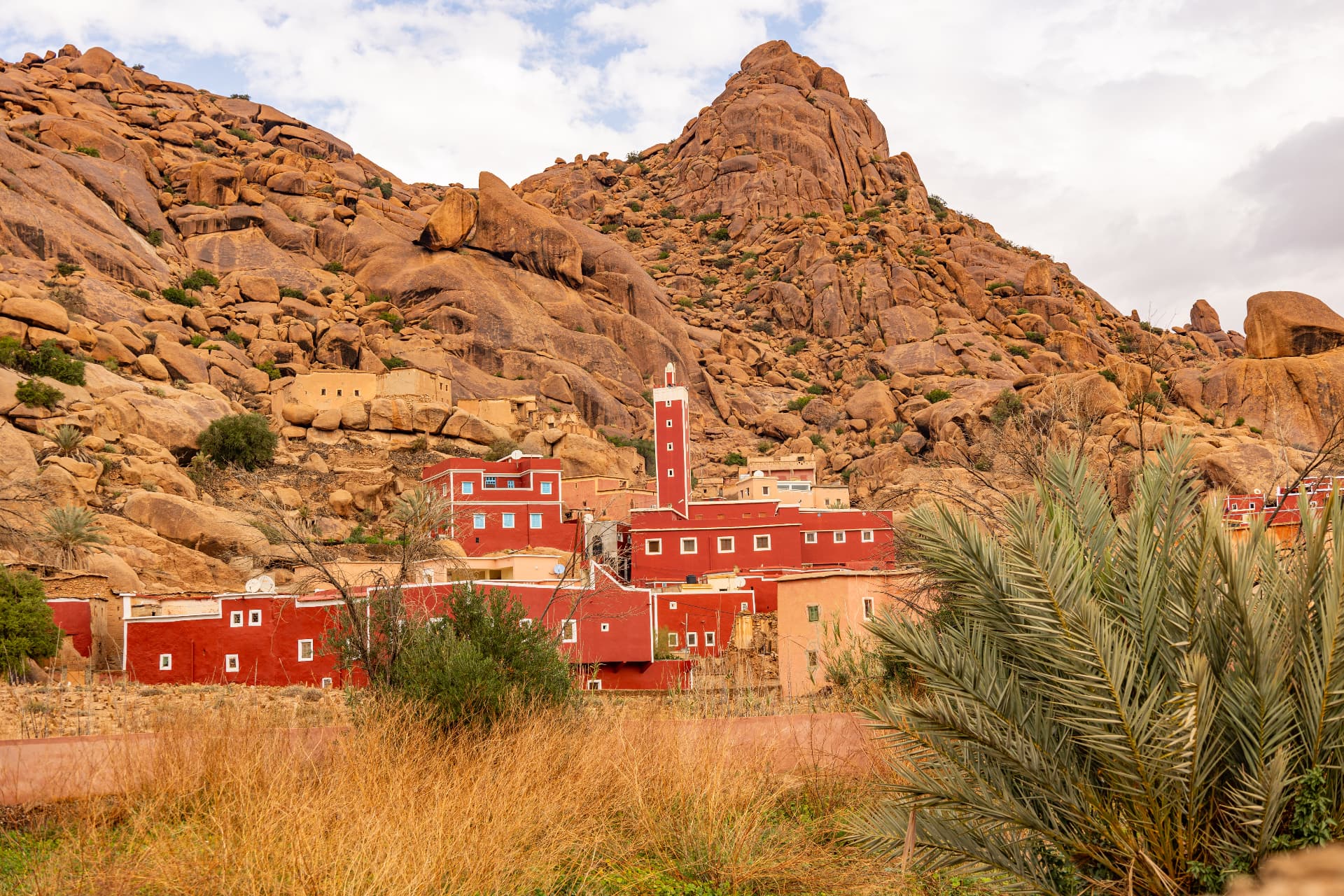
The journey moves into the Anti-Atlas, one of the strongest visual sections of the trip. Travel through Igherm and increasingly rugged scenery toward Tafraout, where enormous rounded granite formations, dry valleys, argan trees and pink villages seem to grow directly out of the rock. Reach Tafraout with time for the Ameln Valley in late light, when the granite turns orange and the Jebel Lekst ridge behind the villages catches the sun. Photography focus: Anti-Atlas geology, villages, granite boulders, evening light. Overnight in Tafraout.
- Driving:
- About 4 hours via Igherm
- Overnight:
- Tafraout · 1 night
Day 8
Tafraout, Ameln Valley & South to Icht
Start early around Tafraout, while the low sun models the granite. Explore the Ameln Valley villages and the well-known rock formations nearby, including the painted rocks and the granite outcrop known as Napoleon's Hat at Aguerd Oudad, before heading south through the mountains. In late winter, almond blossom can transform the valley; ask us about timing if that is your priority. Continue to Icht, a quiet oasis that serves as a base for the next two days. Photography focus: granite towers, almond and argan terraces, village architecture, mountain roads. Overnight in Icht.
- Driving:
- About 3 hours, plus time around Tafraout
- Overnight:
- Icht · first night
Day 9
Amtoudi & the Fortified Granaries
Spend the day at Amtoudi, one of the most visually striking villages of the Anti-Atlas. The village sits beneath cliffs crowned by Agadir Id Aïssa, a historic fortified granary. Walk with a local guide up to the agadir where access allows, then follow the gorge to its palm groves and spring. Staying a second night at Icht means you are not forced into harsh midday light — the granary can be photographed when the sun is lower. Photography focus: fortified granaries, canyon walls, palm groves, village life. Overnight in Icht.
- Driving:
- About 1 hour each way between Icht and Amtoudi
- Overnight:
- Icht · second night
Day 10
Icht, Akka, Aït Kine, Tata & Foum Zguid
Continue east along the southern edge of the Anti-Atlas toward Akka, Tata and Foum Zguid, stopping in oasis landscapes and small settlements along the way. Aït Kine is particularly valuable for its communal granary and traditional architecture, another perspective on how communities stored grain, documents and valuables. This is a long road day, but also one of the most rewarding for travellers interested in landscapes rarely included on standard Morocco itineraries — long straight roads, isolated palm groves and wide desert horizons. Photography focus: oases, earthen architecture, granaries, empty southern roads. Overnight in Foum Zguid.
- Driving:
- About 5–6 hours with stops
- Overnight:
- Foum Zguid · 1 night
Day 11
Foum Zguid to Erg Chigaga
Leave paved roads behind and travel by 4x4 into the Sahara. The route toward Erg Chigaga crosses changing desert surfaces — stone, gravel, the dry bed of Lake Iriki and sand — before the large dunes finally appear. Arrive with time for the dunes in late afternoon. A camel ride can be arranged, or simply walk the ridges near camp. With little artificial light around, clear nights are ideal for star photography; bring a tripod. Photography focus: desert tracks, vast horizons, dune ridges, sunset, night sky. Overnight in an Erg Chigaga desert camp.
- Driving:
- About 3–4 hours by 4x4 off-road
- Overnight:
- Erg Chigaga · desert camp
Day 12
Erg Chigaga, M'Hamid, Tamegroute & Zagora
Wake early for first light on the dunes, when the shadows are long and the sand is unmarked. Then leave the Sahara toward M'Hamid and reconnect with the paved road. Continue through the Draa Valley to Tamegroute, known for its historic library and distinctive green-glazed pottery made in traditional kilns. Reach Zagora later in the day. Photography focus: sunrise in the dunes, desert tracks, Draa palms, Tamegroute pottery. Overnight in Zagora.
- Driving:
- About 3–4 hours, including the desert track
- Overnight:
- Zagora · 1 night
Day 13
Zagora, Tamnougalt, Agdz & Tamedaght
Follow the Draa Valley north, through one of Morocco's longest ribbons of palm groves and earthen ksour. Stop at Tamnougalt, whose kasbah architecture reflects centuries of caravan trade, continue through Agdz and over the Tizi n'Tinififft pass toward Ouarzazate, and reach the Aït Ben Haddou / Tamedaght area. Late afternoon is intentionally kept free here, as the changing light can transform the earthen architecture. Photography focus: Draa Valley, kasbahs, oasis villages, late-afternoon earth tones. Overnight in Tamedaght / Aït Ben Haddou area.
- Driving:
- About 4–5 hours with stops
- Overnight:
- Tamedaght / Aït Ben Haddou · 1 night
Day 14
Aït Ben Haddou, Ounila Valley, Telouet & Marrakech
Start at first light, before day visitors arrive, to photograph Aït Ben Haddou from across the river and then from inside the ksar. Continue through the Ounila Valley toward Telouet — one of Morocco's most beautiful mountain roads, with earthen villages, kasbah ruins and green terraces appearing around each bend. Cross the High Atlas via the Tizi n'Tichka and return to Marrakech. Photography focus: Aït Ben Haddou at first light, Ounila Valley, Telouet, High Atlas. Overnight in Marrakech.
- Driving:
- About 4–5 hours via Telouet
- Overnight:
- Marrakech · third night
Day 15
Departure
Your private driver transfers you to Marrakech Airport or, if your flight requires it, Casablanca Airport. This marks the end of your 15-day Southern Morocco Photography Journey.
- Driving:
- Marrakech airport about 20–30 minutes; Casablanca about 3 hours
- Overnight:
- Departure
At a glance
15 days / 14 nights, private. Starts in Casablanca and finishes in Marrakech (or Casablanca). Core regions: the Atlantic coast, Marrakech, the High Atlas, Taroudant, Tafraout and the Anti-Atlas, Amtoudi, Akka and Tata, Erg Chigaga, the Draa Valley and Aït Ben Haddou. Best for photographers, landscape lovers, return visitors and off-the-beaten-path travellers.
Private photography tour vs. a workshop
Group photography workshops run on fixed dates with a leader, tuition and a shared schedule. This private journey has no tuition and no group: you choose the dates, the pace and how long you stay at each place, and your driver adapts stops around light, weather and unexpected scenes. If instruction matters to you, a workshop may suit you better — or ask whether a specialist can join part of the route.
Best time of year for photography
October to April gives the clearest air and the softest light across the south; days are shorter, so sunrise and sunset are easier to reach, but desert nights are cold. Late January to early March can bring almond blossom around Tafraout. Summer is very hot in the deep south and at Erg Chigaga, and haze reduces visibility, so we usually avoid it for this route. Read our guide to the best time to visit Morocco.
Camera gear and practical tips
A wide-angle and a telephoto lens cover most of the route; a tripod is worthwhile for the cistern at El Jadida, dusk in Marrakech and stars at Erg Chigaga. Bring spare batteries and memory cards — charging at the desert camp can be limited — and a dust-proof bag or blower for the Sahara. Leave larger kit in the vehicle and carry only what you need in the medinas. Drones need prior authorisation in Morocco and are often held at customs without it; do not bring one unless permission has been arranged.
Photographing people respectfully
Many Moroccans prefer not to be photographed, particularly women and in rural villages. Ask first, accept a no, and do not photograph inside homes, mosques or granaries without permission. Your guide can help you ask and explain the context. Some performers in Jemaa el-Fna expect a small payment for photographs; we never arrange staged scenes or animals posed for the camera.
Travelling with a non-photographer
Because the journey is private, a partner or friend who does not photograph is not left waiting. Early starts can be optional, and we can suggest hammams, cooking, walks or simply quiet time at the riad, kasbah or camp while the photographer works.
Accommodation style
Boutique riads in Essaouira and Marrakech, character guesthouses and kasbah lodges in the south, and a private camp at Erg Chigaga. Accommodation in the Anti-Atlas and around Icht and Foum Zguid is simpler and more limited than in the cities; we choose the best available for location, cleanliness and welcome, and name properties only in your personalised proposal.
What can be included
Depending on the final proposal: private 4x4 or suitable air-conditioned vehicle, experienced English-speaking driver, accommodation with daily breakfast, selected dinners, the private Erg Chigaga camp, licensed local guides in Marrakech and at Amtoudi where appropriate, airport transfers, bottled water in the vehicle, camel experience where included, and 24-hour Morocco Shiny Days assistance. Final inclusions and exclusions are always listed in the personalised quotation.
A starting point, not a fixed package
This itinerary illustrates one way to travel. Nights can be added in Essaouira, Tafraout or the Sahara, the route can be shortened, and pacing, stops and inclusions are adapted to your dates, interests, light conditions and group, then confirmed in a personalised quotation. For a desert-first version of this region, see our 14-day Anti-Atlas, Sahara and Atlantic tour.
Frequently asked questions
- Is this a photography workshop?
- No. There is no tuition and no professional photographer leading the trip. It is a private journey designed around light and access for photographers who do not need instruction. Ask if you would like a specialist to join — we will confirm honestly whether that is possible for your dates.
- How much driving is there?
- Most travel days involve about 3–6 hours of moving time, with photo stops on top. The longest stages are Marrakech to Taroudant over the Tizi n'Test and Icht to Foum Zguid; the Erg Chigaga section is by 4x4 off-road. Two-night stays in Essaouira, Marrakech and Icht break up the journey.
- Can a non-photographer enjoy this trip?
- Yes. The route visits some of Morocco's most beautiful and least-visited places, and private pacing means early photo sessions can be optional for anyone who prefers to rest or explore differently.
- When is the best time for a Morocco photography tour?
- October to April is best for this southern route, with clear air, soft light and comfortable daytime temperatures. Late winter can bring almond blossom around Tafraout. Summer is very hot in the deep south.
- Can I bring a drone?
- Only with prior authorisation from the Moroccan authorities. Drones without permission are commonly held at customs, so please do not bring one unless permission has been arranged in advance.
- Is it a private tour?
- Yes. You travel only with your own party, with your own vehicle and driver, and local guides where they genuinely add something.
- Can the itinerary be shortened or extended?
- Yes. Common changes are an extra night in Essaouira, Tafraout or the Sahara, starting in Marrakech instead of Casablanca, or a shorter version focused on the Anti-Atlas and Erg Chigaga.
Explore more private Morocco travel
Everything you have just read can be woven into a private journey, planned personally around your dates, pace and interests.
- Tiout oasis near TaroudantOur firsthand palm-grove guide: consider extra time in Taroudant for walking, water and oasis photography.
- Morocco tour packagesTailor-made itineraries from five days to two weeks, shaped around your dates.
- Morocco desert toursPrivate Sahara routes from Marrakech and Fes, with your own driver-guide.
Interested in the Morocco Photography Tour: 15 Private Days Through the Coast, Anti-Atlas & Sahara?
We adapt this route to your dates, group size, pace and preferred style of stay.
More journeys
11 days
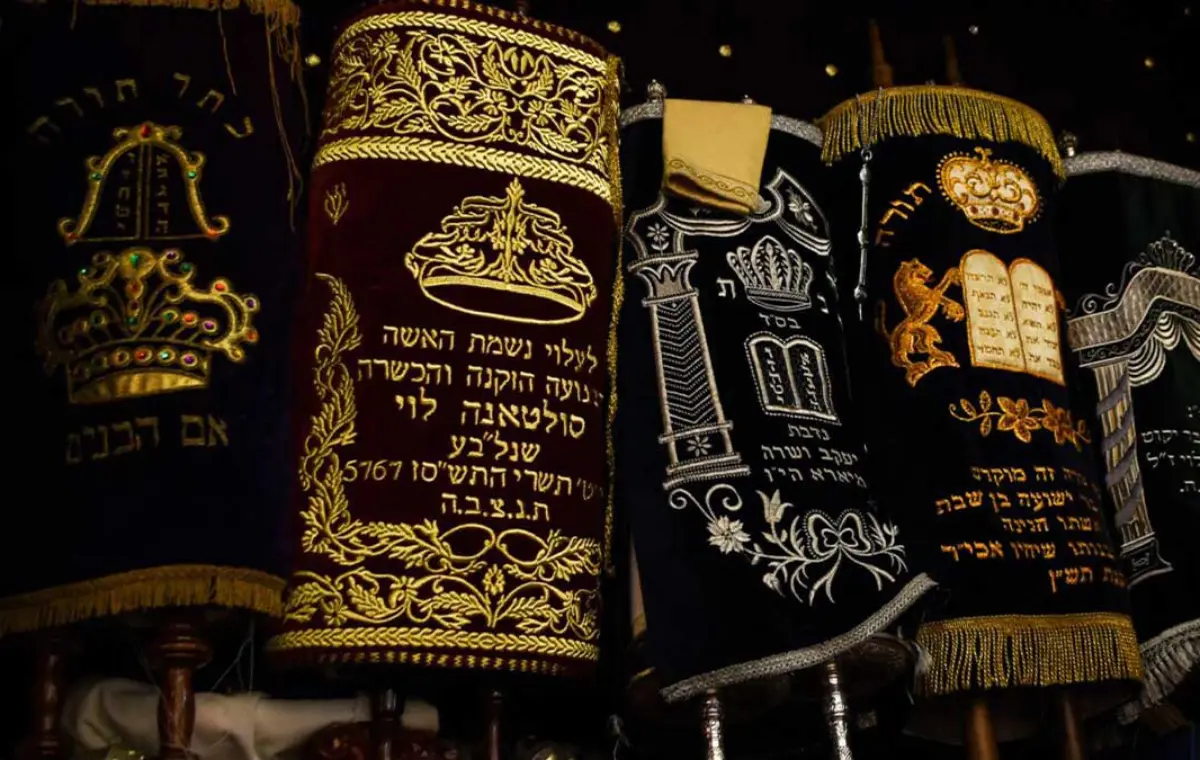
Morocco Jewish Heritage Tour: 11-Day Private Cultural Journey
Mellahs, synagogues, cemeteries and the wider story of Jewish life in Morocco, from Casablanca and Fes to the southern oases and Marrakech.
5 days
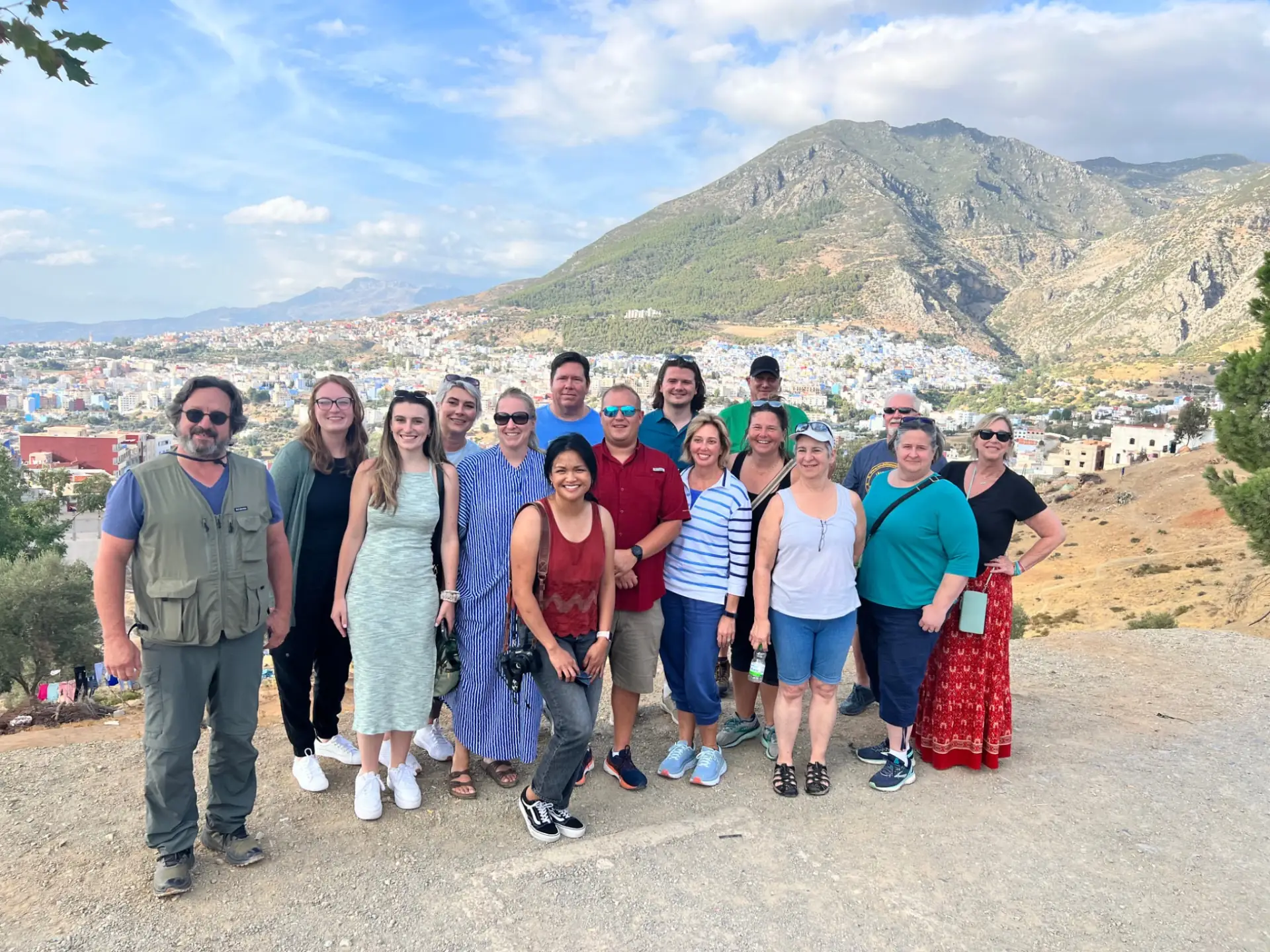
Northern Morocco Tour: 5-Day Private Journey from Tangier
A compact private journey through northern Morocco — Tangier, Tetouan, Chefchaouen, Roman Volubilis, imperial Fes and the Atlantic capitals of Rabat and Salé.
14 days
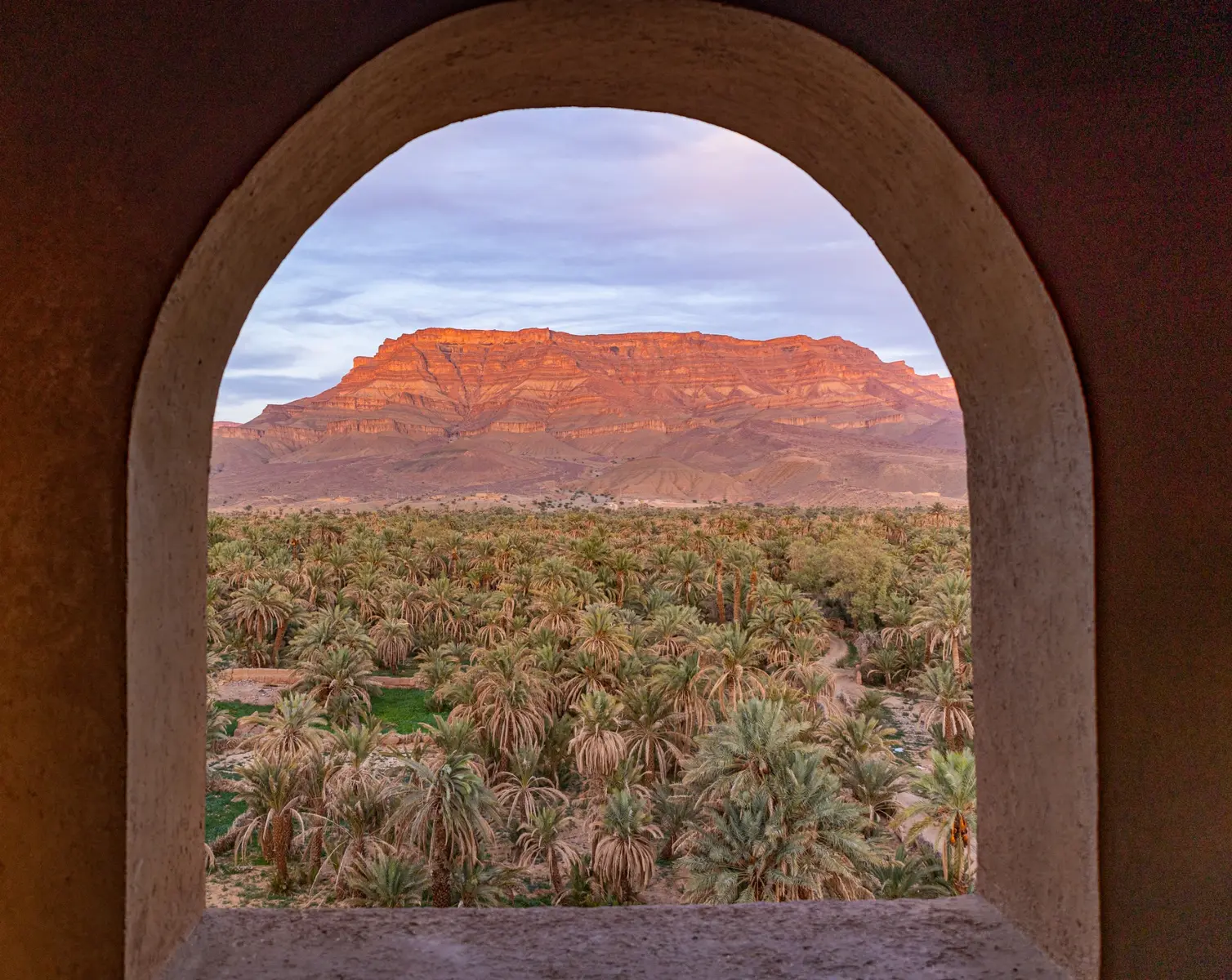
14-Day Private Grand Morocco Tour
The Grand Morocco Tour: a two-week private journey from Casablanca and Chefchaouen to Fes, Erg Chebbi, Skoura and Marrakech.