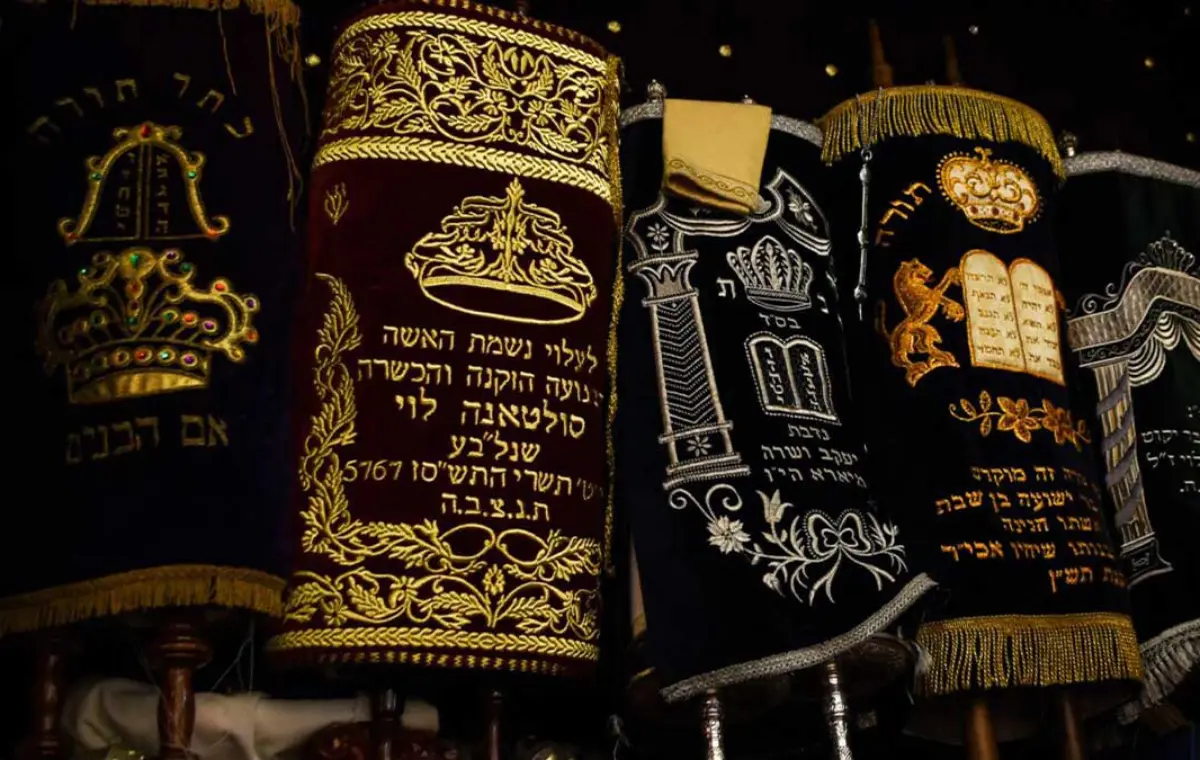
11 days · Private cultural journey
Morocco Jewish Heritage Tour: 11-Day Private Cultural Journey
Mellahs, synagogues, cemeteries and the wider story of Jewish life in Morocco, from Casablanca and Fes to the southern oases and Marrakech.
Morocco’s Jewish history is woven into the story of the country itself — through imperial capitals, trading towns, mountain communities, desert routes and neighbourhoods where Jewish and Muslim families lived alongside one another for generations.
This Morocco Jewish Heritage Tour is an 11-day private cultural journey connecting Casablanca, Rabat and Salé, Fes, Sefrou, the Middle Atlas, the Sahara, Skoura and Marrakech. The focus is on historic mellahs, synagogues, cemeteries, community institutions and the wider stories of migration, commerce, scholarship and coexistence.
The journey is designed for travellers who want more than a checklist. Local guides provide context, Jewish heritage is placed within Morocco’s broader history, and the Sahara and southern oases reveal another layer of the country’s trading and cultural networks.
As with every Morocco Shiny Days journey, this is a starting point rather than a fixed package. It can be extended to Essaouira or El Jadida, slowed down, or adapted around family history, architecture, Jewish studies, food or interfaith heritage.
The journey is adapted to your dates, pace, interests and preferred level of accommodation.
Plan your Morocco Jewish Heritage Tour: 11-Day Private Cultural JourneyHighlights
- Museum of Moroccan Judaism, Casablanca
- Fes Mellah, Ibn Danan Synagogue and the Jewish cemetery
- Sefrou: mellah, cemetery and community history
- Southern oasis communities and historic caravan trade
- Erg Chebbi and the wider story of exchange across the Sahara
- Marrakech Mellah, Slat Al Azama Synagogue and Miaara Cemetery
The route
The route at a glance
Every stop marked below is a real place on the journey, drawn to its true position — numbered in the order you visit them, with the nights you spend in each.
Day by day
Your 11-day Morocco Jewish heritage itinerary
10 nights: Casablanca 1, Rabat 1, Fes 3, Merzouga / Erg Chebbi 2, Skoura 1, Marrakech 2. Museum and synagogue access is checked for your travel dates, not assumed.
Driving times are approximate time in the vehicle, not the length of the whole day. Sightseeing, meals and rest stops add time; traffic, weather, road conditions and your exact accommodation can change the estimates.
Day 1
Arrival in Casablanca
Meet your private English-speaking driver for the transfer to your accommodation. The first day is intentionally light, allowing time to recover from the journey and settle into Morocco before the deeper heritage visits begin. Overnight in Casablanca.
- Driving:
- Airport transfer; depends on arrival and accommodation
- Overnight:
- Casablanca · 1 night
Day 2
Casablanca Jewish heritage, Hassan II Mosque and Rabat
Begin at the Museum of Moroccan Judaism, whose collections preserve religious objects, synagogue furnishings, traditional clothing, photographs and archival material connected to communities across the country. Continue with contextual visits linked to Casablanca’s Jewish community and twentieth-century history, then the monumental Hassan II Mosque beside the Atlantic, before travelling north to a riad in the Rabat medina. Overnight in Rabat.
- Driving:
- About 1–1½ hours between Casablanca and Rabat, plus city transfers
- Overnight:
- Rabat · 1 night
Day 3
Salé, Volubilis, Meknes and Fes
Explore Salé with a knowledgeable local historian, learning about Andalusian migration, maritime trade and the urban history of the Bouregreg region. Continue to Volubilis for a guided archaeological visit, then through Meknes, whose imperial history also includes an important Jewish presence, arriving in Fes late afternoon. Overnight in Fes.
- Driving:
- About 3½–5 hours via Salé, Volubilis and Meknes
- Overnight:
- Fes · first night
Day 4
Fes Jewish heritage and the medieval medina
Explore the Fes Mellah, one of Morocco’s most important historic Jewish quarters, with the Ibn Danan Synagogue and the Jewish cemetery, where generations of local families are remembered beneath whitewashed tombs. The new Museum of Moroccan Jewish Culture, inaugurated in the Mellah in October 2026, may be added once its visiting arrangements are confirmed — see our guide to the museum. Continue into Fes el-Bali — artisan districts, madrasas, historic commerce and the area around Al Quaraouiyine — to understand how Jewish life functioned within the wider fabric of the city. Overnight in Fes.
- Driving:
- Local transfers and walking
- Overnight:
- Fes · second night
Day 5
Sefrou, Bhalil and Jewish life beyond the imperial cities
Travel to Sefrou, historically known for its substantial Jewish population and religious life, to explore the former mellah and Jewish cemetery and learn about the merchants, rabbis, families and institutions that shaped the town. Continue to Bhalil for broader rural context in the Middle Atlas foothills, understanding the social landscape in which neighbouring communities lived and traded. Return to Fes in the late afternoon.
- Driving:
- About 1½–2½ hours return, plus local visits
- Overnight:
- Fes · third night
Day 6
Fes to Merzouga: Middle Atlas, Ziz Valley and historic trading routes
Travel south through Ifrane, the cedar forests and Midelt before descending through the Ziz Valley toward Merzouga. The changing landscape recalls the commercial routes that connected northern cities, oasis communities and Saharan trade — networks in which Jewish merchants and families played important roles. Overnight near Merzouga.
- Driving:
- About 7–9 hours
- Overnight:
- Merzouga / Erg Chebbi · first Sahara night
Day 7
Erg Chebbi, desert culture and a private camp
Explore the Erg Chebbi region by 4x4, including Khamlia and its Gnawa musical tradition, desert communities, fossil areas and a local lunch where appropriate — placing Morocco’s Jewish story within the wider history of trade, migration and cultural exchange across the south. Late afternoon, ride camels into the dunes for sunset before continuing to your private ensuite tent for dinner, music and stargazing. Overnight in a desert camp.
- Driving:
- Local 4x4 circuit and camp transfer
- Overnight:
- Erg Chebbi camp · second Sahara night
Day 8
Todra Gorge, Valley of Roses and Skoura Oasis
Leave the Sahara and travel west through Tinghir and the Todra Gorge, then through the Dades region and the Valley of Roses toward Skoura. The oasis historically supported diverse communities through agriculture and trade, and the wider south preserves traces of Jewish life connected to market towns and caravan networks. Overnight in Skoura.
- Driving:
- About 5–6 hours
- Overnight:
- Skoura · 1 night
Day 9
Skoura, Aït Ben Haddou, Ounila Valley and Marrakech
Explore the Skoura oasis and its earthen architecture, including regional Jewish heritage such as cemetery or community remains where verified access is available at the time of travel. Continue to Aït Ben Haddou, then through the Ounila Valley and Telouet before crossing the High Atlas to Marrakech. Overnight in Marrakech.
- Driving:
- About 5–6 hours; longer with the Telouet / Ounila detour
- Overnight:
- Marrakech · first night
Day 10
Marrakech Jewish heritage and the living medina
Explore the historic Mellah, then the restored Slat Al Azama Synagogue and the Miaara Jewish Cemetery. Continue into the wider medina with sites such as Bahia Palace and the Saadian Tombs, finishing around Jemaa el-Fna as the square comes alive toward evening. Jewish heritage is presented as part of Marrakech’s broader urban history rather than as a separate chapter. Overnight in Marrakech.
- Driving:
- Local transfers and walking
- Overnight:
- Marrakech · second night
Day 11
Departure
Private airport transfer according to your flight schedule. Marrakech departure is easiest; Casablanca can also be arranged with sufficient transfer time.
- Driving:
- About 20–45 minutes to Marrakech airport; 3–4 hours if departing Casablanca
- Overnight:
- Departure; no overnight included
At a glance
11 days / 10 nights. Starts in Casablanca and finishes in Marrakech, with a Casablanca departure possible. A private, tailor-made cultural journey suited to travellers interested in Jewish history, Moroccan culture, architecture and scholarship.
Designed around how you travel
The route can be adapted for family-history research, synagogue and cemetery research, architecture and preservation, interfaith history, Jewish food traditions, slower travel, or extra time in Fes and Marrakech. Travellers tracing Moroccan-Jewish family roots are encouraged to share family names, former hometowns or cemetery information in advance so the route can be researched where realistically possible.
Optional extensions
Essaouira (1–2 nights), the Atlantic port historically known as Mogador, with Jewish-quarter heritage and its role in trade between Morocco and Europe; El Jadida, combining Portuguese-built heritage with the history of Jewish families in Morocco’s Atlantic commercial towns; or a deeper southern route through former market-town and oasis communities, designed only after access and heritage sites are verified.
What can be included
Depending on the confirmed proposal: private air-conditioned transportation, English-speaking driver, boutique riads and locally selected accommodations, a private ensuite Sahara camp, breakfasts and selected dinners, specialist local guides, guided heritage visits, a camel trek or 4x4 alternative, selected entrance fees, airport transfers, bottled water in the vehicle and 24-hour in-country assistance.
The new Fes museum and confirmed access
Read our guide to the Museum of Moroccan Jewish Culture in Fes for its collections and the surrounding Mellah. Museum access, synagogue visits, cemeteries and community meetings depend on opening, caretakers and permissions. We check arrangements for your dates and agree alternatives if a site is unavailable; inauguration does not itself guarantee a visit.
Accommodation examples by city
Owner-recommended examples include Riad Kalaa in Rabat, Riad Joy in Fes, Arabian Nights Desert Camp near Merzouga and Riad Nashira & Spa in Marrakech. Casablanca and Skoura accommodation is selected around the route and your comfort. These are examples, not guaranteed bookings; the final quotation confirms available properties, room categories and bathroom, hot-water and winter-heating arrangements.
Observance, meals and family-history requests
Share Shabbat, holiday, kosher-meal and accessibility requirements before confirming the journey. We discuss what can realistically be arranged, without assuming that a historic synagogue has regular services or that a riad offers kosher catering. Family-history research and specialist community arrangements require advance preparation and explicit confirmation.
What to check outside the inclusions
Your personalised quotation identifies flights, insurance, lunches, drinks, tips, entrance fees, optional activities and any specialist research or catering separately where not included. A museum mentioned in the itinerary is not a promise that admission is included. Dates, guides, meals and site access are confirmed in the final programme.
A starting point, not a fixed package
This itinerary illustrates one way to travel. Morocco’s Jewish past is best described as centuries of coexistence, exchange and shared local history, with relationships that varied across time and place — and the journey is written and guided in that spirit.
Frequently asked questions
- Does the tour include the new Jewish museum in Fes?
- The Museum of Moroccan Jewish Culture in the Fes Mellah can be considered alongside the synagogue and cemetery once visitor arrangements are confirmed. Inauguration is not a guarantee of public access on your travel date. We check opening, admission and guiding before including it in the final programme.
- How is the Fes museum different from the museum in Casablanca?
- They are separate institutions: the Museum of Moroccan Judaism in Casablanca and the new Museum of Moroccan Jewish Culture in Fes. This route offers time to explore both cities, with museum visits subject to confirmed access.
- Can the itinerary follow my Moroccan Jewish family history?
- Yes, where realistically possible. Share former hometowns, family names and cemetery information privately when planning. Research, community contacts and access take preparation; we cannot guarantee locating records, relatives or a particular grave.
- Can you plan around Shabbat, Jewish holidays or kosher meals?
- Tell us your requirements before the itinerary is confirmed. Driving, visits and meal arrangements can be discussed around observance and local availability. Kosher catering, a minyan or access to an active synagogue are not automatically included or guaranteed; specific arrangements must be confirmed in writing.
- Is this only a religious tour?
- No. It is a private cultural and heritage journey, welcoming descendants, historians and travellers interested in Morocco’s Jewish story. Visits connect Jewish life to the wider Moroccan context, with time in the medinas, mountains, oases and Sahara.
- Can we add Essaouira and Bayt Dakira?
- Yes. Essaouira is an optional extension, not part of the core eleven days. Allow one or two extra nights for the port’s Jewish heritage and Bayt Dakira, with opening and access checked for your dates.
- How demanding is the itinerary?
- Fes to Merzouga is the longest driving stage, approximately 7–9 hours moving before visits and breaks. Heritage walks may involve uneven lanes and cemetery paths. Tell us about mobility needs or a preference for slower travel so we can adapt walking and add nights.
Explore more private Morocco travel
Everything you have just read can be woven into a private journey, planned personally around your dates, pace and interests.
- Museum of Moroccan Jewish Culture in FesExplore the new museum’s collections and visitor-access guidance before planning your heritage journey.
- Private Fes Jewish Heritage TourA focused Fes visit if you have less time than the eleven-day journey.
- Plan your private heritage journeyShare travel dates, family-history interests and observance or meal requirements.
Interested in the Morocco Jewish Heritage Tour: 11-Day Private Cultural Journey?
We adapt this route to your dates, group size, pace and preferred style of stay.
More journeys
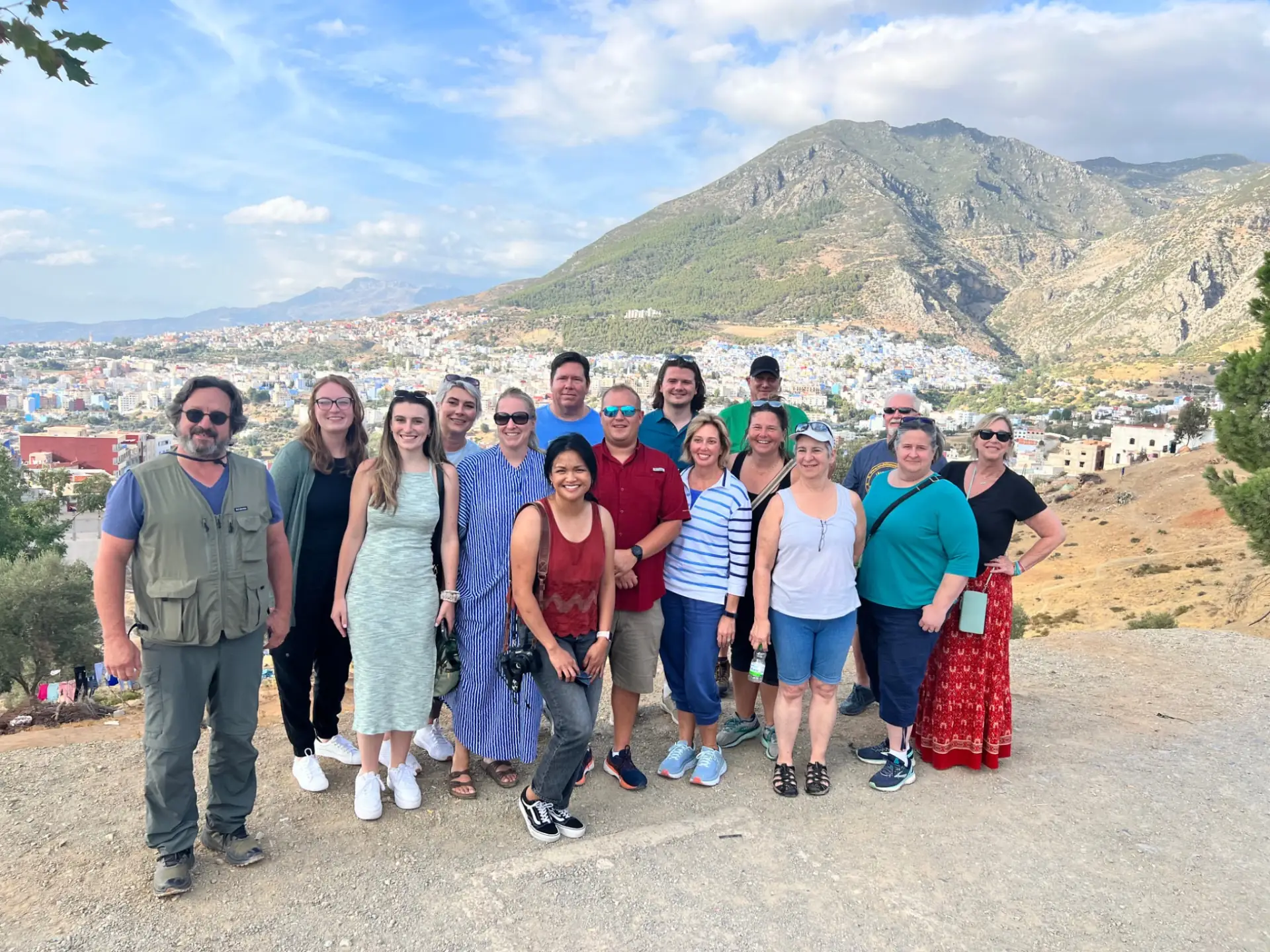
5 days
Northern Morocco Tour: 5-Day Private Journey from Tangier
A compact private journey through northern Morocco — Tangier, Tetouan, Chefchaouen, Roman Volubilis, imperial Fes and the Atlantic capitals of Rabat and Salé.
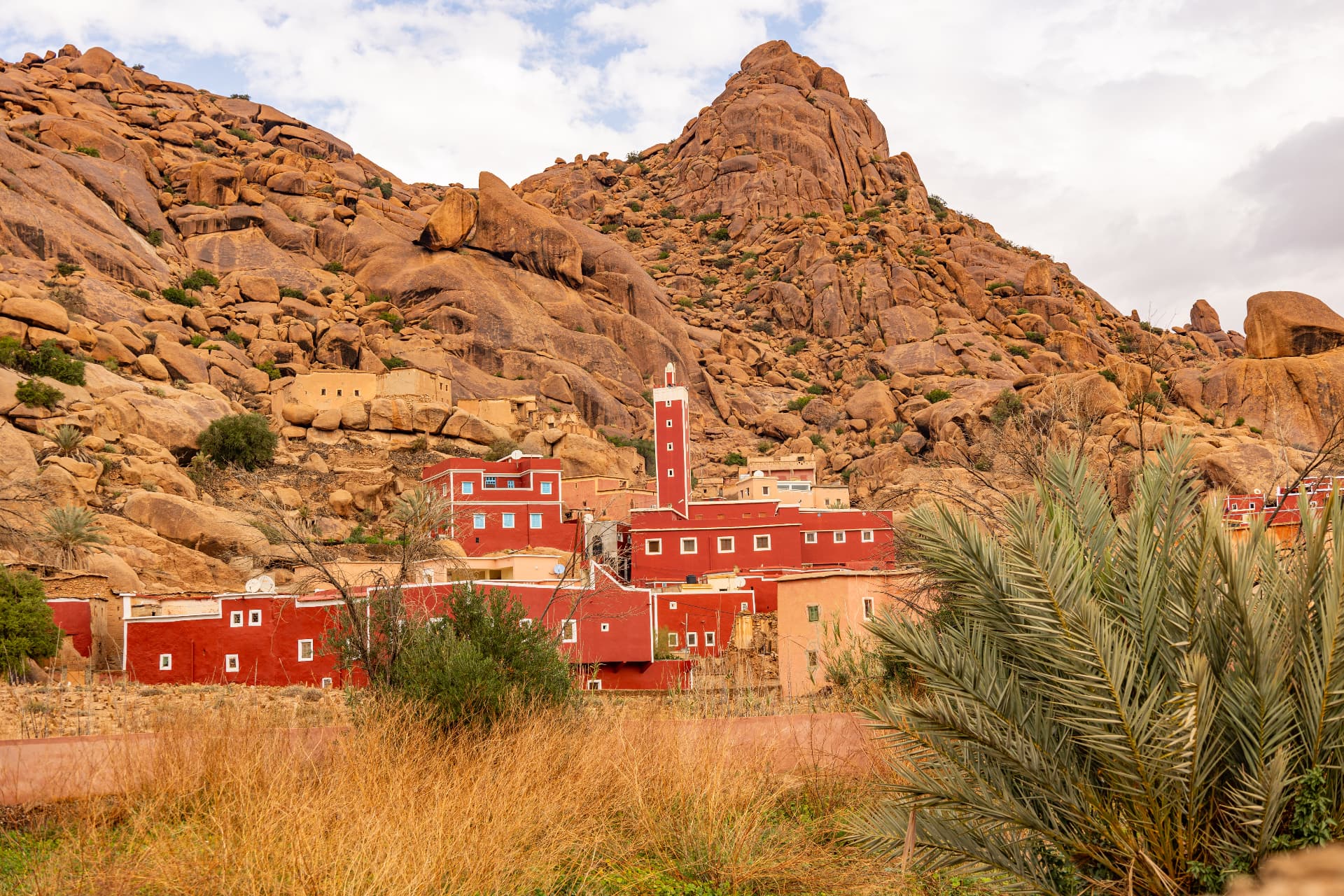
15 days
Morocco Photography Tour: 15 Private Days Through the Coast, Anti-Atlas & Sahara
A private Morocco photography tour shaped around light rather than a timetable — from Atlantic ramparts and the granite Anti-Atlas to the fortified granaries of Amtoudi and the open dunes of Erg Chigaga.
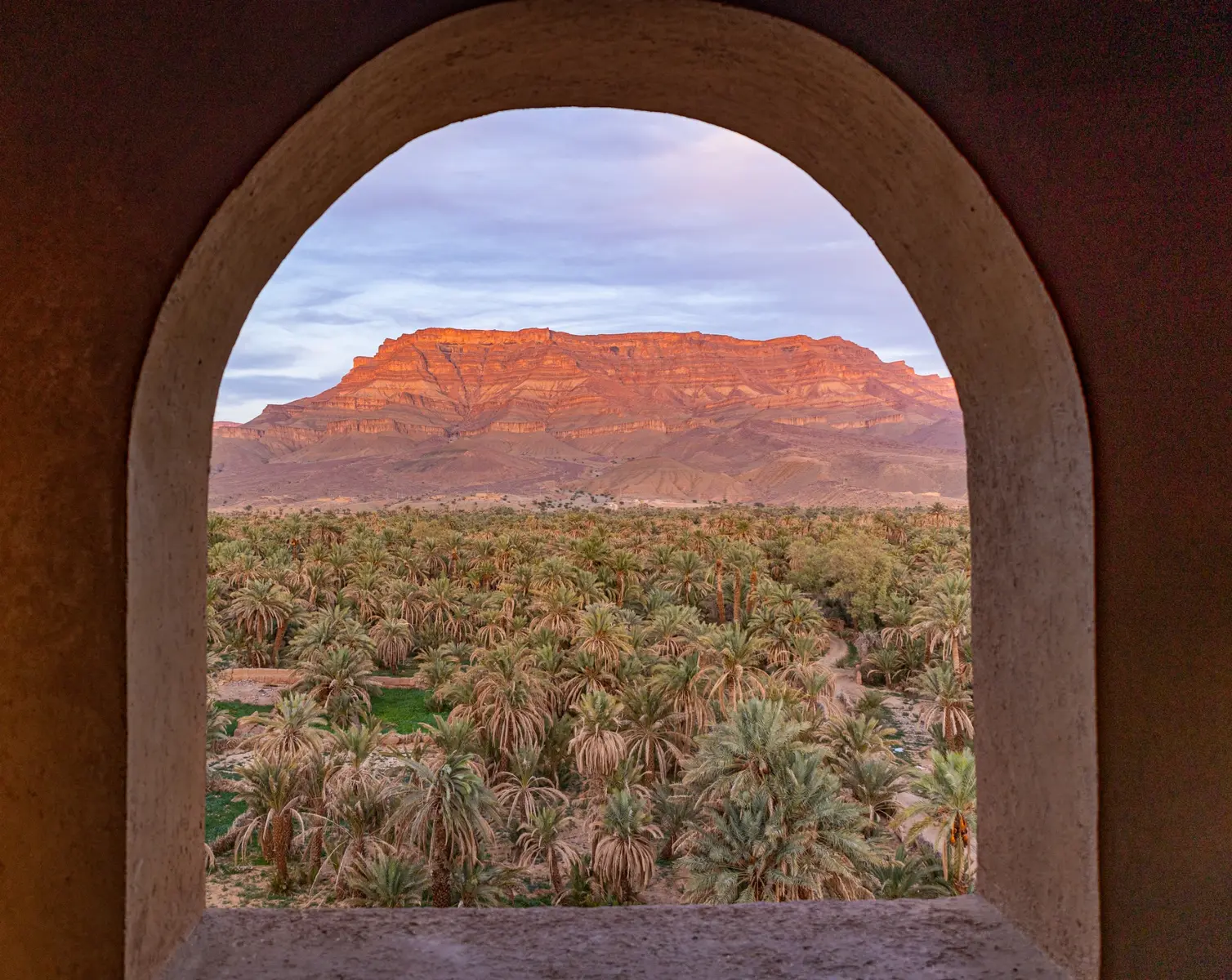
14 days
14-Day Private Grand Morocco Tour
The Grand Morocco Tour: a two-week private journey from Casablanca and Chefchaouen to Fes, Erg Chebbi, Skoura and Marrakech.