Every spring, Kelaat M’Gouna and Morocco’s Valley of Roses celebrate the annual harvest with one of southern Morocco’s most distinctive cultural events. The Rose Festival brings together growers, cooperatives, traditional music and dance, rose products, exhibitions and a major carnival. Yet the festival is only part of the story: the surrounding villages, rose hedges, family farms and short harvest season give the region its deeper character.
When is the Kelaat M’Gouna Rose Festival 2027?
Kelaat M’Gouna Rose Festival 2026
The confirmed 61st edition took place from May 7–10, 2026. According to the official Salon International de la Rose à Parfum program, it combined rose exhibitions, cultural performances, agricultural workshops, scientific conferences and round-table discussions.
The program opened on May 7 with the salon and conferences. Miss Rose was elected on May 8; the carnival crossed Boulevard Mohammed VI on May 9; and traditional performances continued through a closing folklore evening on May 10. This is both a regional celebration and an important professional event for the local rose-growing economy.
What is Morocco’s Valley of Roses?
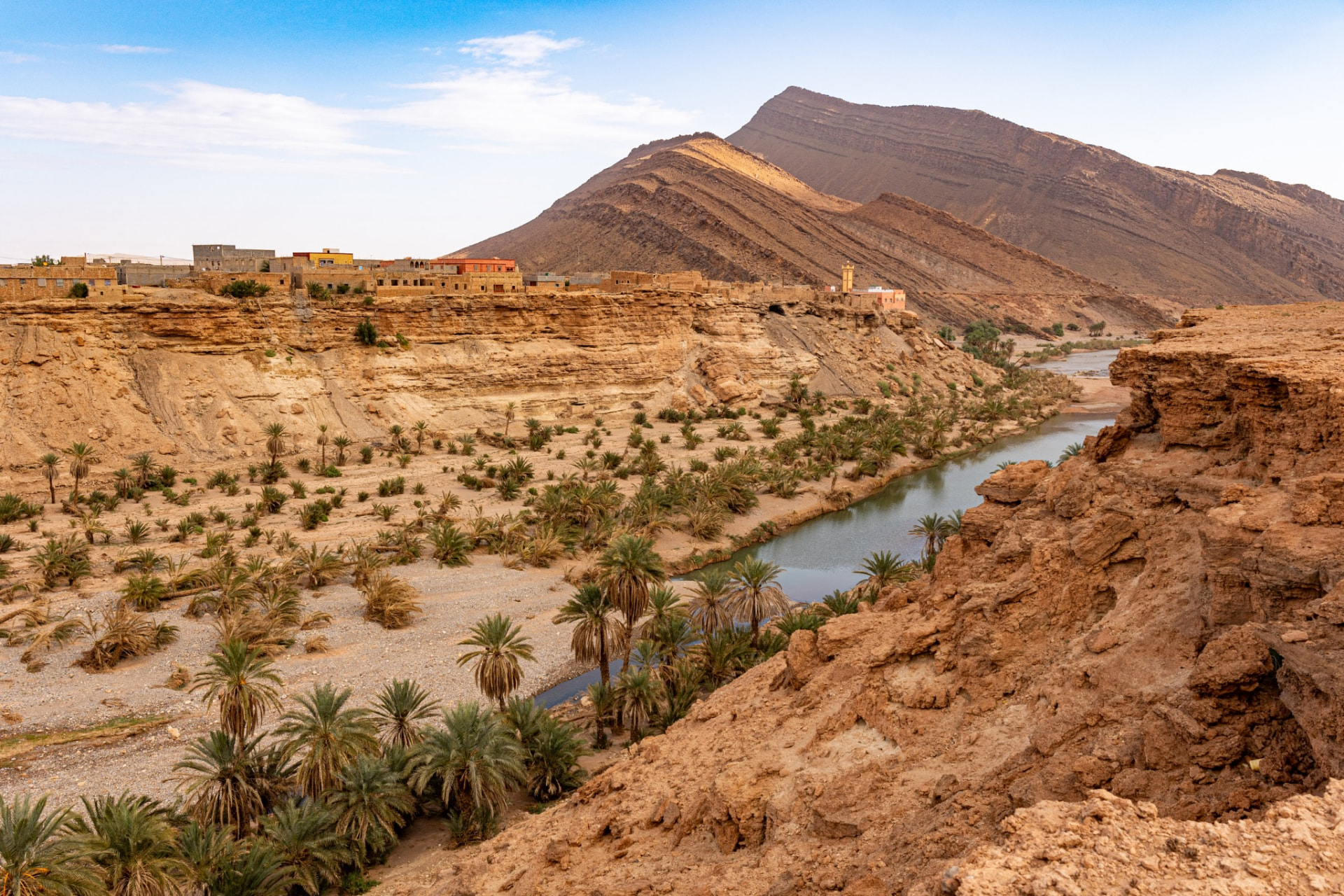
The Valley of Roses surrounds Kelaat M’Gouna in the Dadès region of southern Morocco, between Skoura and the Dadès Valley and within the wider route connecting Ouarzazate, Tinghir and the Sahara. Many travelers cross this landscape on the road between Marrakech and Merzouga without realizing how different it becomes during the spring harvest.
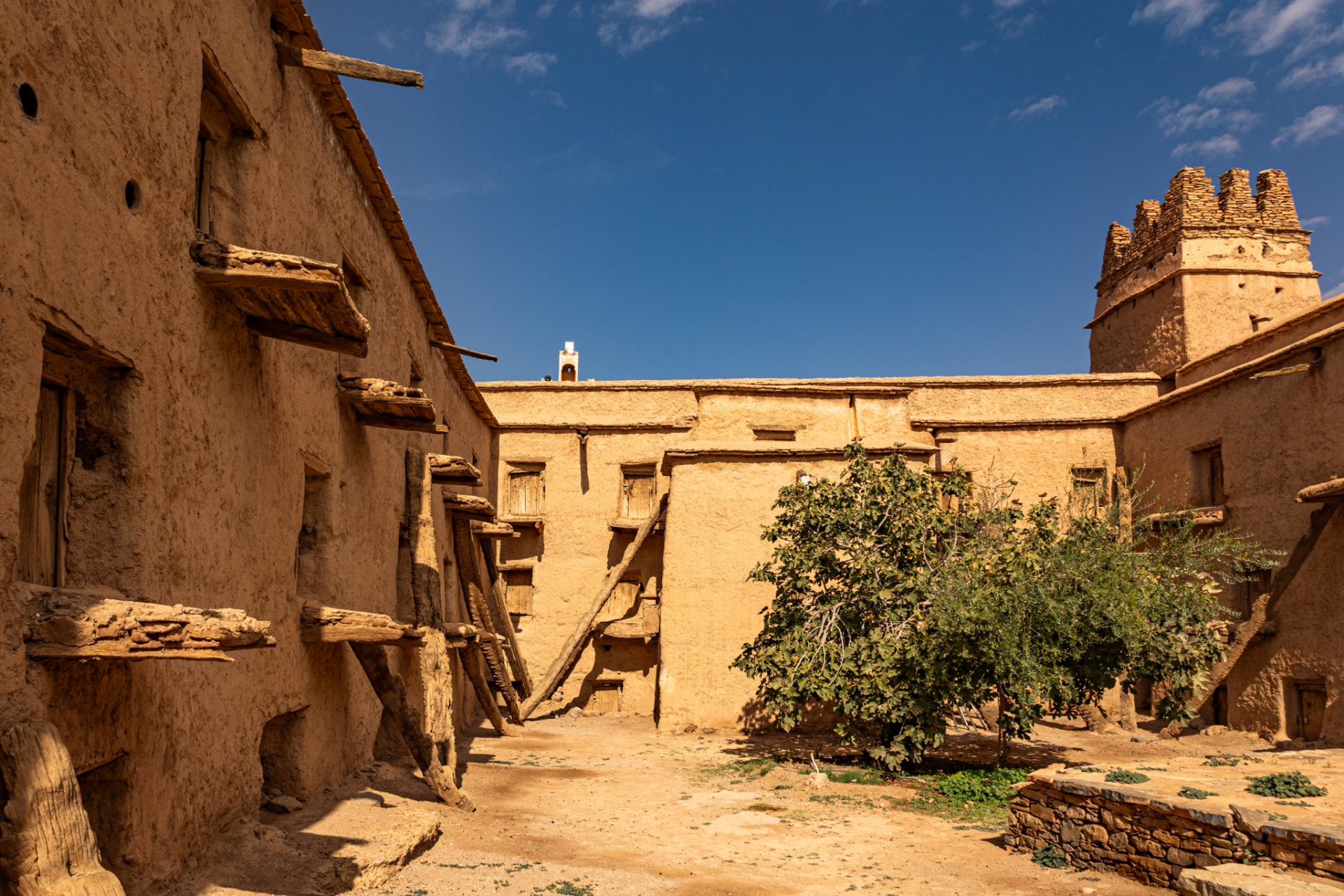
This is not simply a tourist attraction. It is a living agricultural area of villages, kasbahs, irrigated plots, oasis cultivation and rose hedges beneath the southern mountain ranges. Roses traditionally grow along field boundaries, where they contribute to a wider farming landscape rather than appearing as endless commercial fields.
Why are roses grown here?
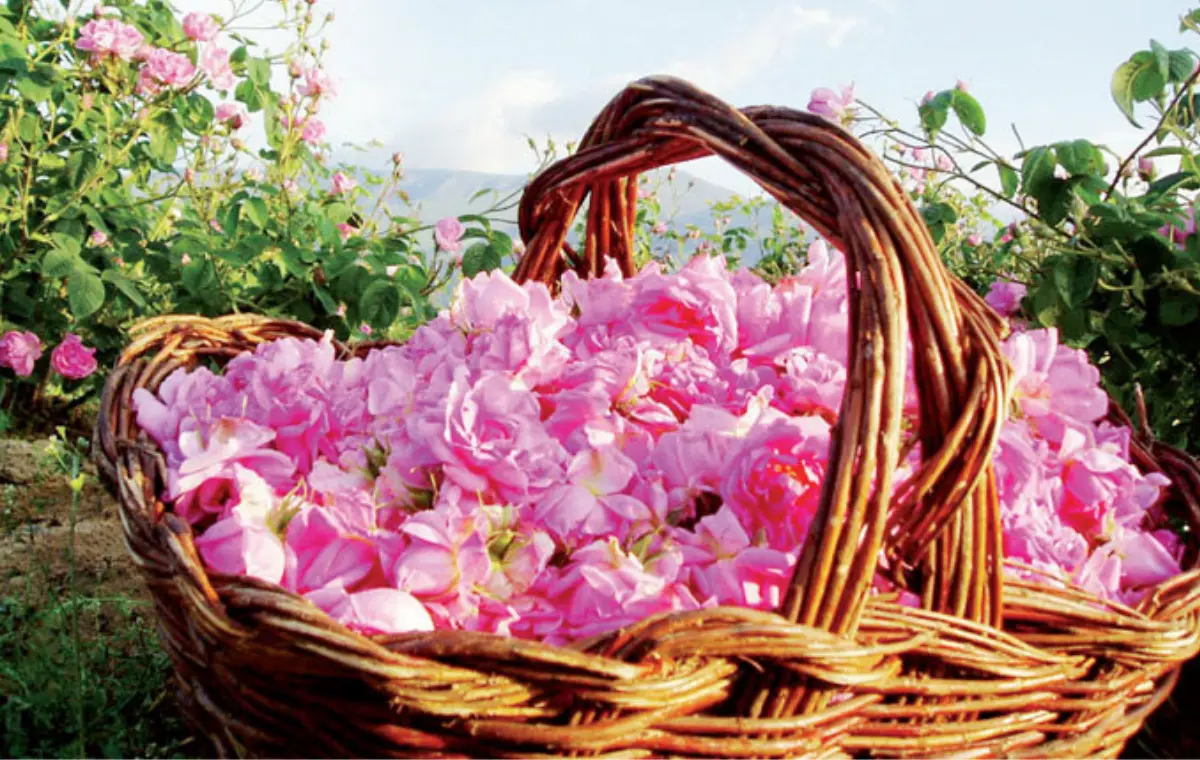
Kelaat M’Gouna is closely associated with the fragrant Damask rose. The flowers are harvested and transformed into rose water, essential oil, soaps, creams, fragrances and other products. The sector supports farmers, processors, small producers and cooperatives, including women’s cooperatives that prepare and sell local products.
Visitors sometimes hear stories about how roses first reached the valley. The exact history is not always reliably documented, so it is better to understand those accounts as local tradition rather than established fact. What is certain is that rose cultivation has become part of the region’s agricultural identity and economy.
The rose harvest: the experience beyond the festival
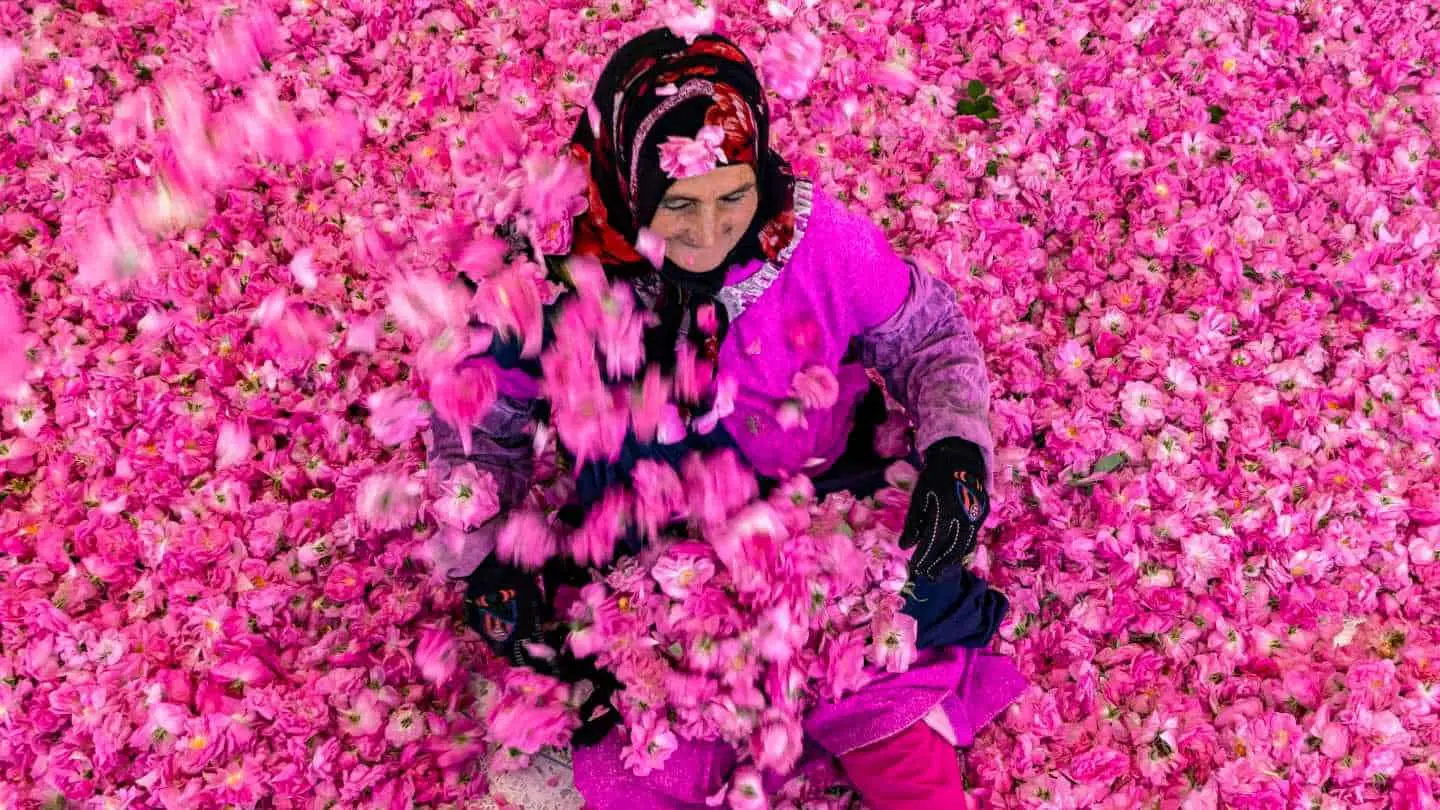
Travelers should not think only about attending the busiest festival days. The harvest throughout the valley can be equally interesting and more intimate. Roses are generally picked early, while the air is cool and the petals retain their fragrance. Families gather flowers into baskets or sacks before taking them to collection points and cooperatives for weighing, processing and distillation.
At the right moment, a journey through the valley may reveal flowering hedges, harvesters working beside village fields, piles of fresh petals and the practical process of producing rose water. The timing changes with temperatures and rainfall, so no operator can guarantee peak flowers on one exact date every year.
What to expect at the Kelaat M’Gouna Rose Festival
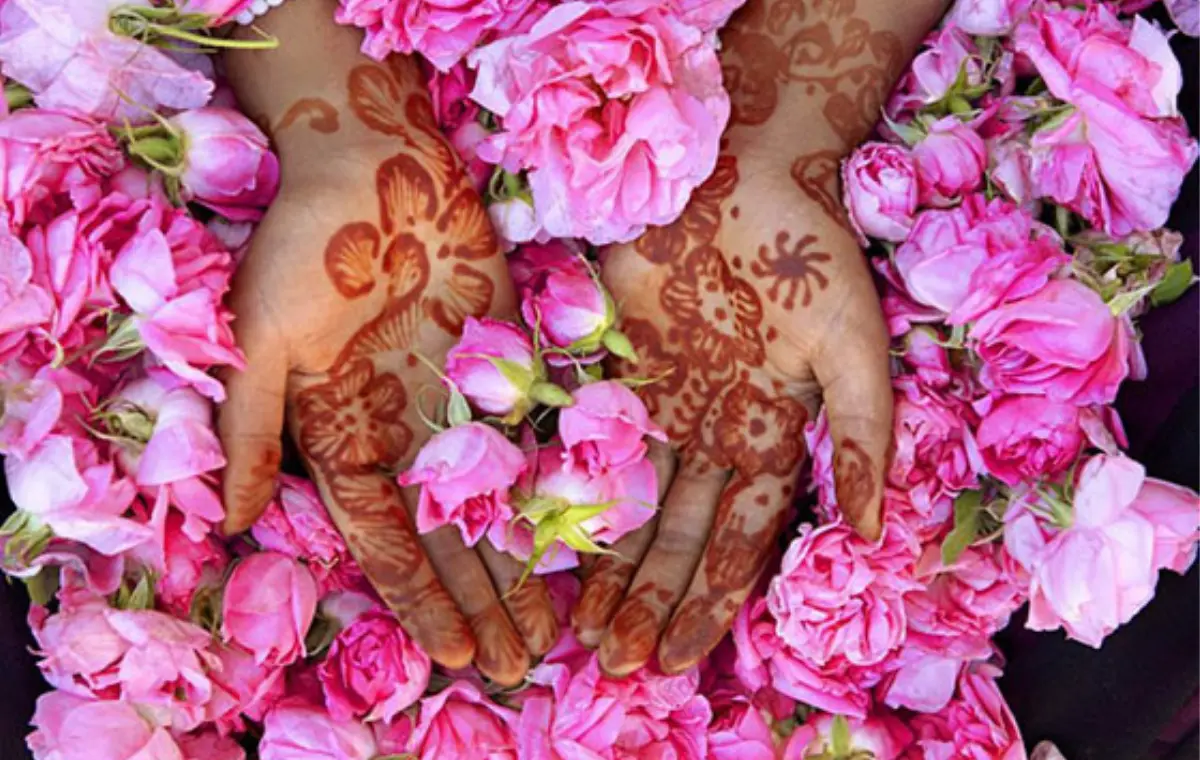
The festival is busy, energetic and unmistakably local. Streets fill with families and Moroccan visitors. Traditional ensembles and regional performers share the program with rose sellers, cooperatives, exhibition stands and agricultural representatives. The election of Miss Rose and the carnival are among the most visible events.
It is not a polished luxury festival, and that is part of its appeal. Expect crowds, traffic diversions, music, food stands and accommodation pressure. The event mixes an agricultural salon, professional meetings, cultural performances and a town-wide celebration.
Is the Rose Festival worth visiting?
That depends on the traveler. The festival itself suits people who enjoy crowds, music, public celebrations and the energy of a major regional event. The harvest and valley suit travelers who prefer landscapes, villages, agriculture and quieter encounters.
Some guests will love the carnival weekend. Others may have a richer experience shortly before or after it, when the rose season may still be underway but Kelaat M’Gouna is calmer. Neither approach is automatically better; the right choice depends on interests and tolerance for crowds.
Best time to visit the Valley of Roses
Late April and May are the key period for the rose flowering and harvest, but festival dates and peak flowers are not identical. Annual weather affects when petals open and when families harvest. Visiting on the official festival weekend guarantees the celebration—not a guaranteed stage of bloom in every part of the valley.
For broader seasonal planning, see our month-by-month guide to the best time to visit Morocco.
How to get to Kelaat M’Gouna
Kelaat M’Gouna fits naturally into a southern Morocco journey. The classic route runs from Marrakech over the High Atlas to Ait Benhaddou and Ouarzazate, then through Skoura to the Valley of Roses. From there, travelers can continue through Dadès and Todra toward Merzouga and Erg Chebbi.
It makes far more sense as part of this route than as a rushed day trip from Marrakech. The drive is long, and treating the valley as a quick return excursion leaves little time for its villages and agricultural landscape. Our Morocco Sahara journeys show how southern destinations connect, while the 7, 10 and 14-day Morocco itinerary guide explains the time needed for wider routes.
Where to stay during the festival
Travelers can stay in Kelaat M’Gouna, the Dadès Valley, Skoura or carefully chosen kasbah and oasis accommodation nearby. Staying in town places guests close to the celebration, while a property outside the center can offer a calmer evening and fit the onward route better.
Rooms become scarce when festival dates are announced. Reserve early, but choose location according to the full itinerary rather than booking the nearest available room without considering traffic, driving times and the next day’s route.
How many days do you need?
A traveler passing between Skoura and Dadès can explore part of the valley in half a day. One night allows a slower village visit, cooperative stop and early-morning landscape experience. During the festival, two nights may be sensible if the carnival, performances and rose industry are major interests.
The region fits naturally between Skoura and Dadès, Todra and the Sahara. Travelers continuing south can compare the different desert routes in our Erg Chigaga and Erg Chebbi guide, while those exploring the southeast can also read about Morocco’s Draa Valley.
Photography and responsible visiting
Early morning gives soft light for rose hedges, villages and kasbah architecture, while the carnival offers movement and color. Ask permission before photographing people closely, particularly harvesters at work. Do not enter private fields or rearrange agricultural work for a staged image.
Roses are a livelihood, not merely a background. Respect irrigation channels and private land, purchase from reputable local producers and cooperatives, and allow people to explain their work in their own way.
Rose products: what to buy
Common products include rose water, soaps, creams, fragrances and rose oil. Packaging should identify the producer and ingredients. Genuine rose essential oil is highly concentrated and expensive; unusually cheap products may be heavily diluted or generic scented souvenirs.
Buy from established cooperatives or transparent local producers, ask how the product was made and avoid assuming that every pink bottle contains locally grown rose. These products should be treated as cosmetics or fragrances—not as medical treatments.
Combine the Rose Festival with a Morocco journey
A well-paced spring route can connect Marrakech, the High Atlas, Ait Benhaddou, Skoura, the Valley of Roses, Dadès, Todra and Merzouga. A longer journey can add Fes, Chefchaouen or the Atlantic coast without rushing the south.
If roses and local agriculture matter to you, tell Morocco Shiny Days your dates and travel style. We can plan around the harvest, festival crowds and realistic driving times while keeping the wider journey balanced.
Frequently asked questions
When is the Kelaat M’Gouna Rose Festival 2027?
The official 2027 dates have not yet been announced. This page will be updated when the organizers publish them.
When was the Morocco Rose Festival in 2026?
The confirmed 61st edition took place May 7–10, 2026.
Where is the Rose Festival in Morocco?
It takes place in Kelaat M’Gouna in the Dadès region of southern Morocco, between Skoura and the Dadès Valley.
What happens at the festival?
Visitors can expect rose exhibitions, cooperatives, agricultural and professional events, traditional performances, Miss Rose and a major carnival.
When do roses bloom and when is the harvest?
Flowering and harvesting generally occur in spring, especially late April and May, but exact timing changes with annual weather.
Can I visit without attending the festival?
Yes. The valley, villages, cooperatives and harvest can be visited outside the festival weekend, often with fewer crowds.
How do I get there from Marrakech?
Travel over the High Atlas via Ait Benhaddou, Ouarzazate and Skoura. It is best included in a multi-day southern Morocco route.
Where should I stay?
Kelaat M’Gouna, Dadès and Skoura all work. The best choice depends on festival access, availability and the onward itinerary.