There are festivals that take over a city and festivals that reveal one. The Fes Festival of World Sacred Music belongs to the second kind. Sacred and devotional music from Morocco and around the world enters palace courtyards, gardens and public spaces in a city whose own traditions of learning, craft and spirituality give every performance another layer.
What the festival is, and why it belongs in Fes
Founded in the mid-1990s after the first Gulf War, the festival was built on a durable idea: listening to another tradition's devotional music can create a kind of understanding that argument cannot. Its programmes have brought Moroccan Sufi and spiritual traditions into conversation with Christian, Jewish, Hindu, Buddhist and other musical cultures without pretending they are all the same.
Fes el-Bali is more than scenery. The UNESCO-listed medina is a living centre of religious learning, craft and urban life, shaped by madrasas, zawiyas, mosques, fountains and workshops. A performance heard at dusk within old walls, with the sounds of the city beyond them, cannot be separated from its setting.
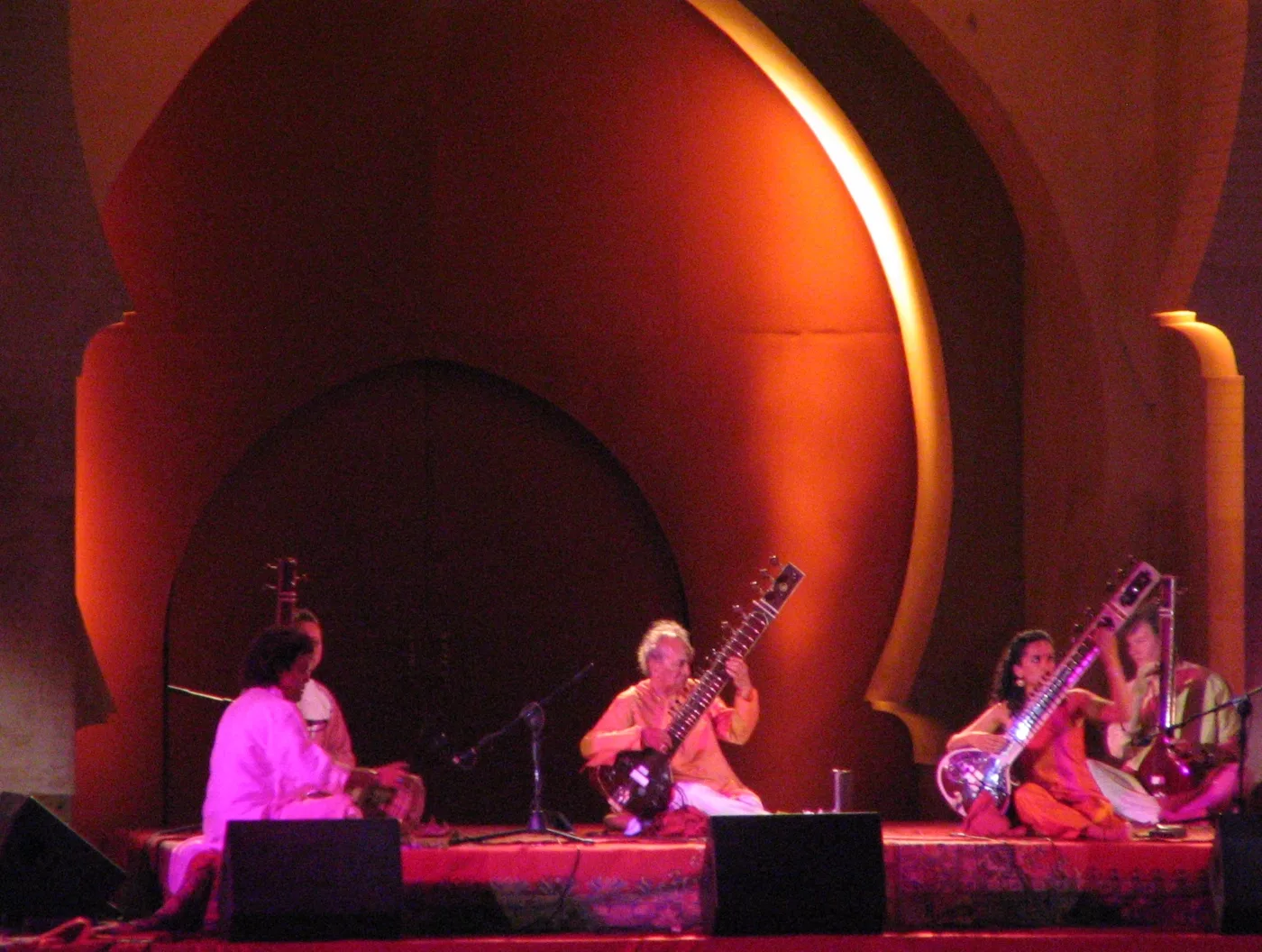
The latest completed edition
The 29th edition ran from 4 to 7 June 2026 under the theme Fès et les Mâalemines—Fes and the master artisans. It brought more than 160 artists to the city and concentrated the programme into four days. That shorter format should not be treated as permanent: edition length, programme strands and venues are decided annually.
The next edition will be a milestone in the festival's history, but its dates, theme, performers and ticket arrangements remain unconfirmed. This page will be updated when the organisers publish them rather than turning estimates into promises.
Venues: choose by atmosphere, not only by artist
The exact map changes, but recent programmes have used a recognisable group of settings. Read the official programme carefully because a venue determines the scale, seating, walking and late-night return as much as the performance itself.
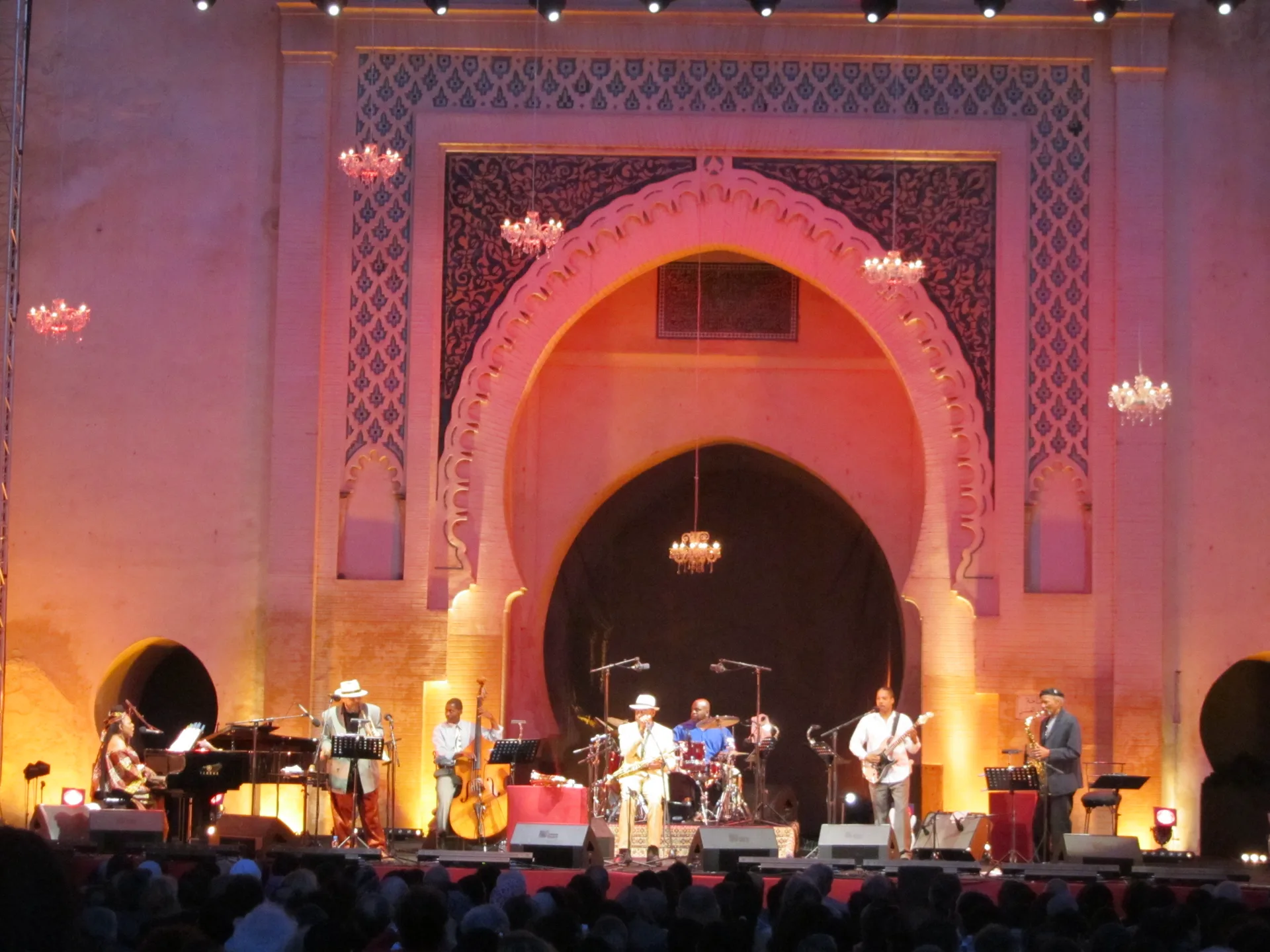
- Bab Al Makina. The monumental setting for flagship, ticketed evening concerts: large-scale, formal and visually dramatic.
- Jnan Sbil gardens. A greener, more relaxed setting near the medina, used for concerts and public-facing events.
- Batha and palace settings. More intimate architecture and a closer relationship between performer and audience.
- Congress and Handicraft Palace. A practical setting for programme events, forums or performances depending on the edition.
- Sufi Nights and public concerts. Often free and deeply connected to local audiences. They may be less formal, later and more crowded, but can be among the festival's most memorable experiences.
When to book accommodation
Dates have sometimes been announced only weeks or a few months before opening night. The practical sequence is: wait for an official date announcement, reserve flexible accommodation immediately, then choose performances when the programme and ticket categories appear. Avoid a non-refundable stay based only on recurring calendar patterns.
Fes el-Bali gives the richest atmosphere and can place you within walking distance of some events, but taxis cannot reach most riads. Fes el-Jdid can balance access and historic character. Ville Nouvelle offers easier vehicle access and more conventional hotels, but requires transfers. Ask where the confirmed venues are before choosing solely by neighbourhood name.
Getting to Fes
Fes–Saïss Airport has domestic and international services, with the route map changing seasonally. For long-haul travellers, Casablanca is often the most practical gateway. Direct trains connect Casablanca and Fes in roughly four hours in normal service; check the live timetable with ONCF. Tangier can also work well for a northern route, with rail via Kenitra toward Fes.
Build margin around arrival. A flight connection, train and major concert on the same evening leaves no protection against delay. Arrive at least one day before the performance you care about most.
Heat, late nights and the rhythm of the day
June in Fes can be hot, especially in the afternoon. Exact temperatures vary, but the useful response does not: begin cultural visits early, eat lunch somewhere cool, rest in the afternoon and return for the evening. Open-air concerts may finish near midnight, and walking through medina lanes takes longer than distance alone suggests.
A festival week fails when every morning, afternoon and evening is filled. One substantial cultural visit and one performance is a satisfying day. Keep at least one unprogrammed evening in case a newly discovered artist, free concert or simple need for rest changes your priorities.
Mobility and accessibility
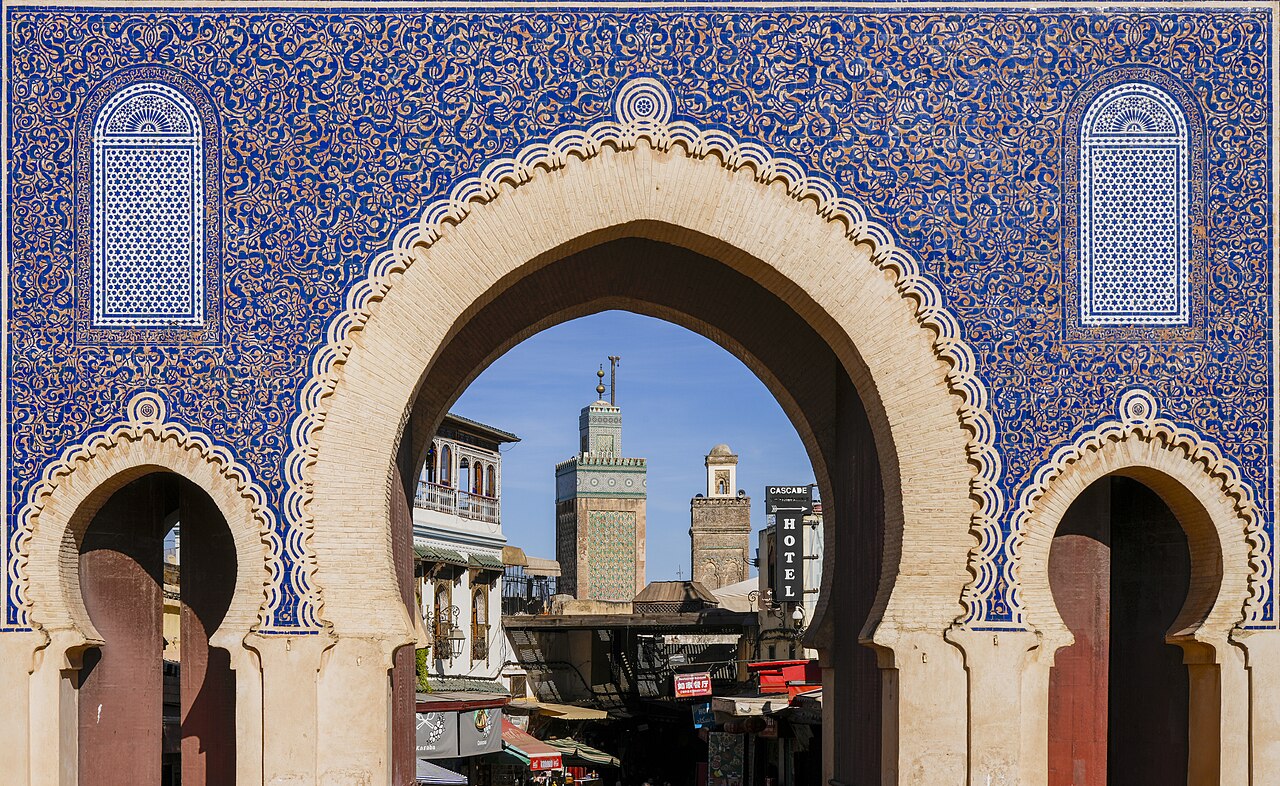
Fes requires honest planning for anyone who finds steps, slopes or uneven surfaces difficult. Medina lanes are largely pedestrian, vehicles stop at gates or accessible edges, and some historic venues were not designed for modern step-free access. A beautiful riad may also have steep stairs and no lift.
Before buying a ticket, ask the organisers whether the event has step-free entry, reserved seating, accessible toilets and a nearby vehicle drop-off. Choose a hotel or riad according to actual access, not a general claim that it is “in the medina.” Private transport can reduce difficult transfers, but it cannot remove every historic surface.
Fes beyond the performances
The strongest festival stay leaves room for the city that hosts it. Early mornings suit the Qarawiyyin quarter, Bou Inania and Attarine madrasas, Nejjarine, Seffarine and the working craft lanes. An artisan-focused morning can explore ceramics, zellij, brass, weaving and leather with context rather than compulsory shopping; see our private Fes artisan and shopping experience.
The Mellah, synagogues and cemetery open another part of the city's history. Our Fes Jewish heritage experience approaches that story through documented history and the long relationship between communities. Volubilis, Moulay Idriss and Meknes make a worthwhile day outside Fes only when the performance schedule leaves enough energy for it.
A realistic four-night festival stay
- Day one: arrive in Fes, settle in and keep the evening light. Attend a free event only if energy allows.
- Day two: guided medina morning, long afternoon rest, then a flagship concert.
- Day three: a focused artisan or heritage visit, a small recital, and an optional late Sufi evening.
- Day four: unscheduled morning or gardens, followed by the performance that matters most to you.
- Day five: depart after a slow breakfast, or continue south through the Middle Atlas on a private Fes-to-Marrakech desert route.
If the next edition again runs for four days, this gives the festival a centre without making the entire stay a race. If it returns to a longer format, add nights rather than filling more events into the same days.
Fes, Gnaoua and Mawazine: which festival?
These are not interchangeable Moroccan music events. Choose according to the experience you want rather than asking which is “best.”
- Fes Festival of World Sacred Music: devotional and sacred traditions, historic venues, attentive listening and an intimate cultural frame.
- Gnaoua and World Music Festival in Essaouira: rooted in Gnaoua culture, with energetic collaborations and large public stages across a coastal city.
- Mawazine in Rabat and Salé: a much larger popular festival with major Moroccan, Arab and international performers across multiple stages.
Dates and formats change independently. Never assume they can be combined in one trip until each organiser has confirmed its calendar.
Respectful festival etiquette
- Let the setting guide you. A devotional performance is not simply another concert; follow local cues for applause and silence.
- Photograph sparingly. Rules vary by artist and venue. Never use flash, and do not hold a bright screen above other people's view.
- Dress with context. Comfortable modest clothing and good walking shoes suit both the medina and sacred settings; bring a light layer for late outdoor events.
- Carry practical cash. Small notes remain useful for taxis, cafés and handcarts, though official tickets should be bought only through authorised channels.
- Expect change. Line-ups, venues and timings can move. Let Fes itself justify the stay rather than making one artist the sole reason for the journey.
Frequently asked questions
When is the Fes Festival of World Sacred Music 2027?
The organisers have not yet announced the 2027 dates. The festival has often taken place in late spring or early summer, but that pattern is not a confirmed schedule. Check the official festival website before making non-refundable arrangements.
When was the most recent Fes Festival?
The 29th edition took place from 4 to 7 June 2026 under the theme Fes and the Mâalemines. It was a four-day edition; the length and format can change from year to year.
How much do festival tickets cost?
Prices and ticket categories are set for each edition. Some public concerts and Sufi Nights have historically been free, while major venue performances are ticketed. Use the official sales channel once the programme is released.
Where does the Fes Festival take place?
Venues vary, but recent editions have used Bab Al Makina for major concerts, Jnan Sbil gardens, Batha Prefecture Hall, the Congress and Handicraft Palace, and smaller city settings for public and devotional performances.
Where should I stay during the festival?
A riad in or near Fes el-Bali is atmospheric and convenient for some venues, but may involve uneven lanes and a walk after midnight. Fes el-Jdid and the Ville Nouvelle offer easier vehicle access. Choose according to the confirmed venues and your mobility needs.
Is the festival suitable for families?
Daytime and public events can work very well for families. Late starts and finishes make full evening concerts harder for young children, so select performances rather than filling every night.
Is the festival accessible for travellers with limited mobility?
Accessibility varies substantially. Historic venues and medina lanes can include cobbles, steps, slopes and long walks. Ask organisers about seating and access for each event, and choose accommodation with vehicle access where needed.
Do I need to speak French or Arabic?
No. Music needs no translation, and major venues and established accommodation usually assist in Arabic, French and English. Programme notes and talks may not always be available in every language.
Can I attend without building my whole trip around it?
Yes. Two or three carefully chosen performances can sit naturally within a wider Morocco itinerary, provided Fes accommodation is secured after official dates are announced.
Is it the same as the Gnaoua Festival or Mawazine?
No. The Fes festival centres sacred and devotional traditions in historic settings. Essaouira's Gnaoua festival grows from Gnaoua music and cross-cultural collaboration, while Rabat's Mawazine is a much larger popular international music festival.
Build a Morocco journey around the festival
Fes can sit naturally within a northern route from Tangier and Chefchaouen, a wider journey beginning in Casablanca, or a southbound crossing through the Middle Atlas and Sahara. The right shape depends on confirmed festival dates, the performances you choose and how much recovery time you need between them.
Morocco Shiny Days can plan a private journey around a future edition once the organisers publish the dates. We monitor the programme, coordinate accommodation and transfers, and keep the rest of Morocco at a pace that leaves you able to enjoy the music.