
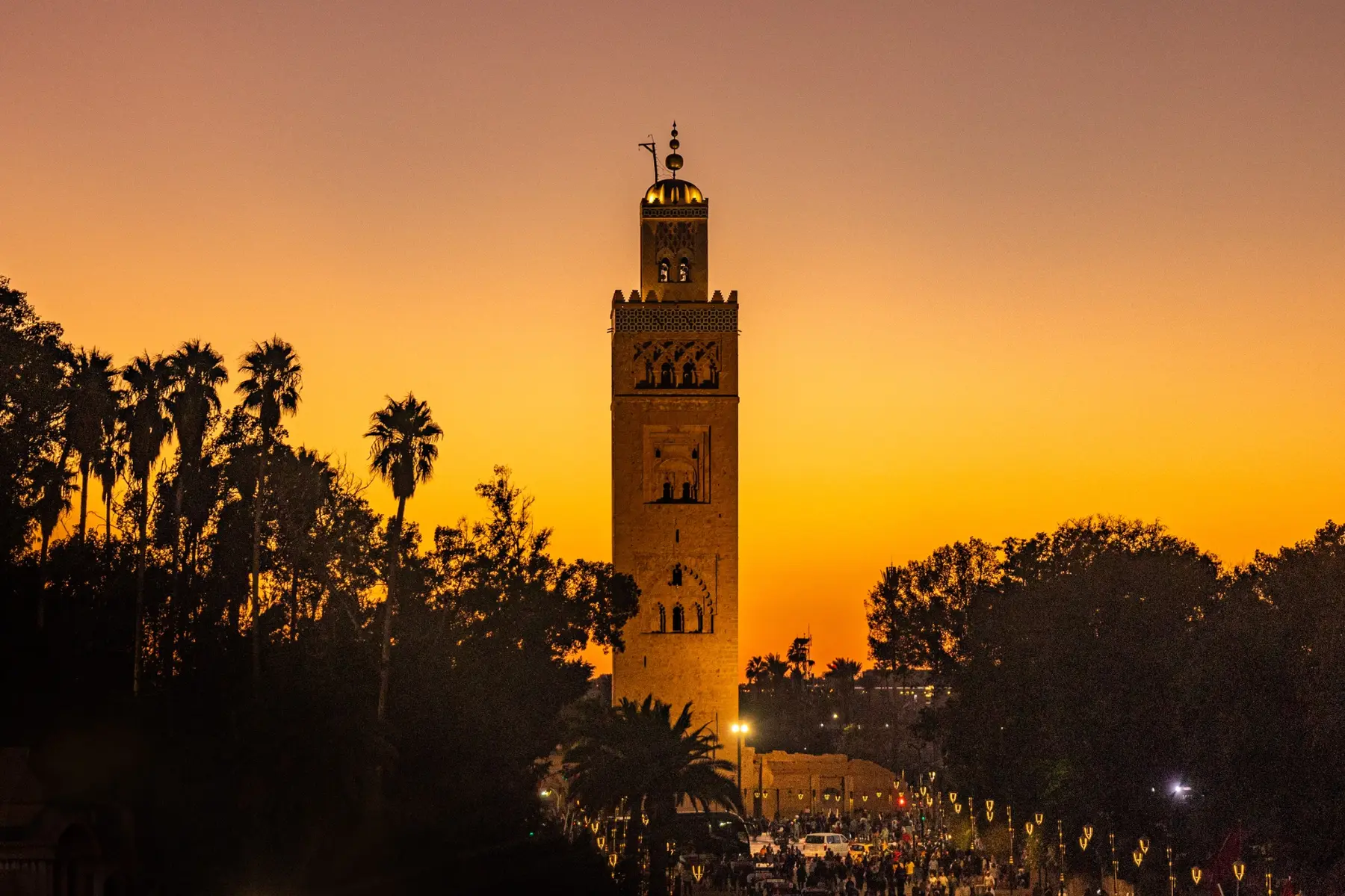
For most first-time visitors, March through May and September through November are among the best times to visit Morocco. Temperatures are generally comfortable for sightseeing and road travel, and it is easier to combine Marrakech, Fes, the Atlas Mountains and southern Morocco in one journey. But there is no single perfect month for the whole country: the Sahara, High Atlas, Atlantic coast, imperial cities and northern Morocco can experience very different conditions on the same day.
The best time to visit Morocco at a glance
| Travel priority | Often works particularly well |
|---|---|
| First Morocco journey | March–May and September–November |
| Sahara Desert | October–April; spring and autumn are especially comfortable |
| Marrakech and Fes | Spring and autumn; winter can also be rewarding |
| Atlas Mountains | Depends on altitude, snow and whether you plan to hike |
| Atlantic coast | Late spring, summer and early autumn |
| Fewer crowds | Selected winter and shoulder-season dates |
| Families | Spring, early summer on the right route, and autumn |
| Photography and landscapes | Spring greenery and autumn light |
These are useful starting points rather than rigid rules. After years of organizing private journeys across Morocco, we have learned that the best month depends less on Morocco as a whole and more on the route, pace and experiences a traveler wants.
Morocco weather by month
Morocco in January
January is winter: days can be bright and pleasant in Marrakech and southern Morocco, while mornings and evenings are cold. Fes and the north may feel cooler and wetter. The Sahara works well during daylight hours, but desert nights can be very cold, so a warm coat and layers matter. Snow may affect High Atlas roads and hiking routes. January suits cultural travelers who prefer a quieter pace and do not expect summer heat.
Morocco in February
February remains cool but often begins to hint at spring, particularly in the south. Marrakech, Skoura, the Draa Valley and the Sahara can combine well, provided travelers prepare for cold nights. Fes and Chefchaouen may still see rain. Almond blossom and changing landscapes can make southern routes especially photogenic, although timing varies each year.
Morocco in March
March is one of the most versatile months. Comfortable daytime conditions often make it possible to combine imperial cities, mountain roads, oases and desert. Spring weather can still change quickly: rain, wind and occasional mountain snow remain possible. Pack layers rather than assuming every day will be warm.
Morocco in April
April is a popular answer to “what is the best month to visit Morocco?” Landscapes can be green, city sightseeing is generally comfortable and the Sahara is usually practical. Easter and school-holiday periods may increase demand, so well-liked riads and camps should be reserved early. Mountain walkers still need to check conditions at higher elevations.
Morocco in May
May brings warmer days without the sustained midsummer heat in many regions. It is well suited to broad itineraries linking Marrakech, Fes, Skoura and the Sahara. Coastal evenings can remain cool and breezy. Toward the end of the month, southern and desert travel becomes hotter, so sightseeing times and accommodation choices matter more.
Morocco in June
June can be excellent when the route is designed thoughtfully. The Atlantic coast becomes increasingly attractive, the north remains a strong option and mountain areas can offer relief from inland heat. Early June may still suit southern touring, but a Sahara-heavy program becomes less comfortable as temperatures rise. Longer lunches, shaded stops and early starts improve the experience.
Morocco in July
July is hot in Marrakech, Fes and much of inland and southern Morocco. It is not accurate to say Morocco should be avoided: Essaouira, the Atlantic coast, northern Morocco and selected mountain areas can be very appealing. For most travelers, however, July is not the ideal month for a long Sahara-focused route. Families should prioritize good pools, air-conditioned accommodation and a slower daily rhythm.
Morocco in August
August follows a similar pattern, with strong inland heat and lively domestic travel around beaches and holiday destinations. A route through Tangier, Chefchaouen and the Atlantic coast can make far more sense than copying an October desert itinerary. If Marrakech is included, plan outdoor visits early, rest during the hottest hours and choose accommodation carefully.
Morocco in September
September is a transition month. The coast is still attractive, while inland temperatures gradually become easier. Early September can remain very hot in the Sahara; later in the month, wider circuits become more comfortable. It is a useful month for travelers who want a combination of cities and coast, with desert travel assessed according to exact dates.
Morocco in October
October is one of the strongest all-round months. Marrakech and Fes are usually comfortable, the Sahara season is well underway and routes through Skoura, Dades and the Draa Valley work naturally. Demand can be high, particularly for boutique riads and desert camps. Even when days are warm, evenings require a layer.
Morocco in November
November often offers pleasant sightseeing and good desert conditions with fewer peak-season pressures than October. Days shorten and nights cool noticeably. Rain is possible in the north and mountains, while the south may remain dry and bright. November suits travelers who enjoy cultural touring, road journeys and evenings that feel distinctly autumnal.
Morocco in December
December can be an excellent winter escape, particularly in Marrakech and southern Morocco. Sunshine does not mean constant warmth: riads, mountain stops and desert camps can feel cold after sunset. Christmas and New Year are busy and should be planned well ahead. Northern cities may be cooler and wetter, while mountain snow can influence routes.
Best time to visit Morocco by region
Best time to visit Marrakech
Spring and autumn provide the easiest conditions for walking through Marrakech’s medina, visiting gardens and spending time on rooftops. Winter days can be beautiful, though mornings, nights and shaded riad courtyards feel cool. In July and August, Marrakech remains open and energetic, but sightseeing should start early and the itinerary needs pools, shade and unhurried afternoons.
Best time to visit Fes
Fes is especially enjoyable in spring and autumn, when long walks through the medina are more comfortable. Winter can be atmospheric but cool and rainy, while midsummer heat makes the dense old city more tiring. Unlike Marrakech, Fes often feels distinctly colder in winter, so travelers should not pack for one Moroccan climate.
Chefchaouen and northern Morocco
The north has a Mediterranean influence and generally receives more rain than the south. Spring brings green landscapes; early summer and September are attractive for combining Tangier, Tetouan and Chefchaouen. Winter is quieter but can be wet and chilly. July and August are busy, yet the north is often a better summer choice than inland desert routes.
Best time to visit the Sahara Desert
For most visitors, October through April is the practical Sahara season, with spring and autumn offering the most balanced conditions. Winter days may be glorious but nights are cold. Wind and sand are possible in any season, particularly around seasonal transitions. Summer heat can be severe.
Both Erg Chebbi near Merzouga and Erg Chigaga beyond M’Hamid offer excellent desert experiences, but the routes and logistics differ. Our Erg Chigaga versus Erg Chebbi guide explains how each fits into a wider itinerary. Travelers can also explore our private Morocco Sahara journeys, including the Erg Chigaga route and Marrakech-to-Fes desert journey.
Skoura, Dades and southern Morocco
Spring and autumn are ideal for oasis walks, kasbah routes and the dramatic roads between Skoura, Dades and the desert. Winter days can be excellent, with cold mornings and evenings. Summer is hot, but carefully timed travel is possible for guests who understand the conditions. Spring greenery and autumn light give these landscapes very different personalities.
Best time to visit the High Atlas Mountains
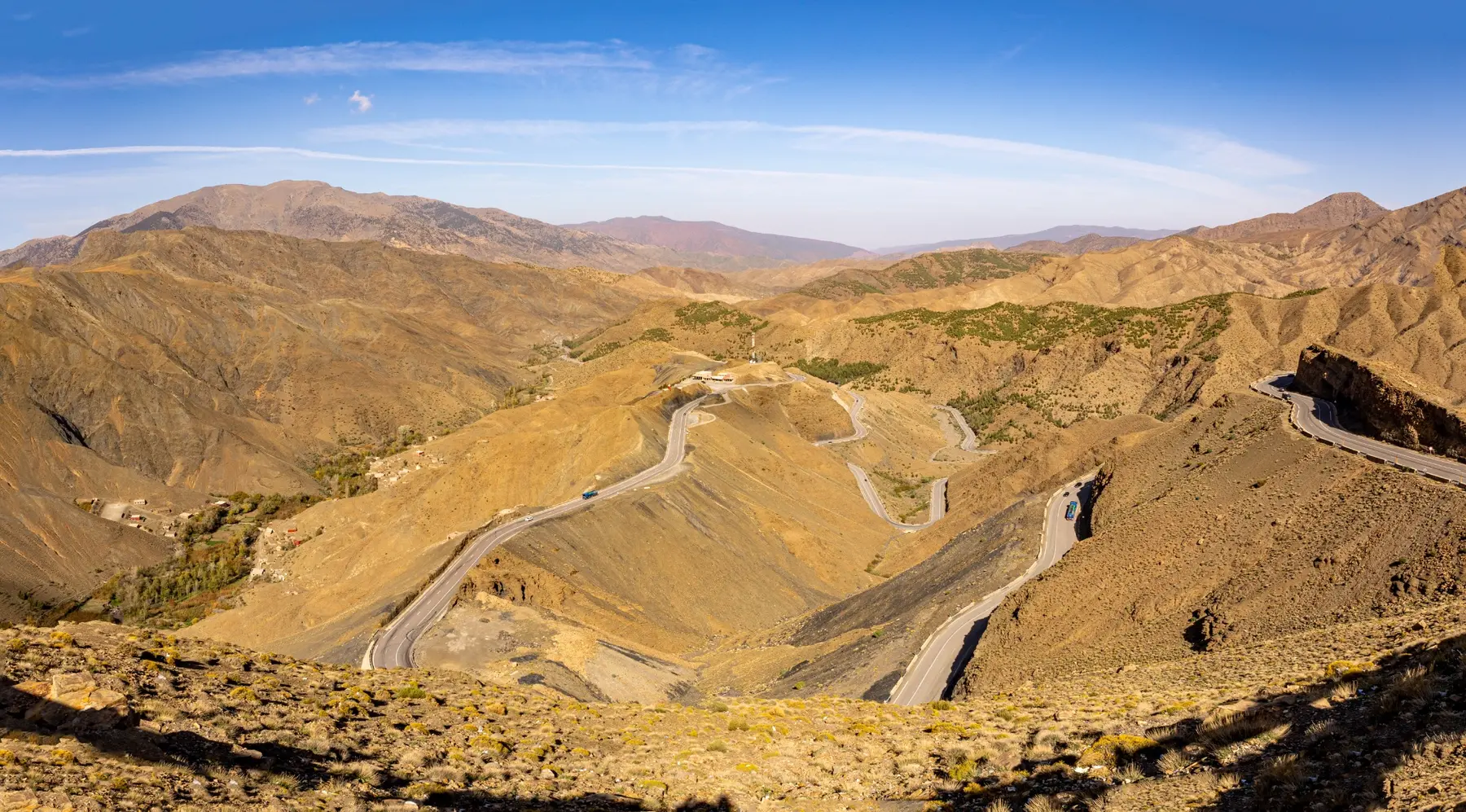
The answer depends on altitude and activity. Lower valleys can be beautiful in spring and autumn, while summer supports higher-altitude walking when properly planned. Winter brings snow to high routes and may limit passes or require specialist equipment. A sunny forecast in Marrakech does not describe conditions at a mountain pass.
Essaouira and Morocco’s Atlantic coast
Essaouira and the Atlantic coast are particularly attractive from late spring through summer and into early autumn. Sea breezes can make the coast much cooler than Marrakech, sometimes surprisingly so. Winter can still offer bright, peaceful days, but wind and rain are possible. For hot-weather travel, our Morocco coastal journeys provide an alternative to forcing a desert itinerary into the wrong season.
When is Morocco too hot?
July and August are the months when many inland and southern routes become uncomfortably hot for long days of sightseeing. A Sahara-heavy itinerary is not the best choice for many travelers then, especially families, older guests and anyone sensitive to heat.
That does not make Morocco a poor summer destination. The solution is geography and pacing: Atlantic towns, northern Morocco, suitable mountain areas, early visits, long midday breaks and well-chosen accommodation. There is almost always somewhere interesting to travel in Morocco—the route simply needs to fit the season. This is exactly where a tailor-made itinerary is more useful than a fixed package.
Visiting Morocco during Ramadan
Morocco remains open to visitors during Ramadan, and traveling at this time can offer meaningful insight into the country’s spiritual and family life. Daily rhythms change: some monuments, shops and restaurants adjust their hours; afternoons may become quieter; traffic grows busier before sunset; and evenings come alive after the fast is broken.
Travelers are not expected to fast, and tourist hotels and many restaurants continue to serve meals. Thoughtful planning is important, particularly for driving times, guide schedules and meals in smaller towns. Ramadan moves earlier each solar year, so confirm the dates for your particular trip rather than relying on an old article.
What to pack by season
Spring
Bring light layers, a waterproof layer, sun protection and comfortable walking shoes. Include something warm for mountain and desert evenings.
Summer
Choose breathable clothing, strong sun protection, a hat and a reusable water bottle. A light layer is useful for breezy Atlantic evenings and air-conditioned interiors.
Autumn
Pack for warm days and cooler nights. By November, add a proper jacket for the desert, mountains and early starts.
Winter
Layers are essential. Bring a warm coat, especially for Fes, the Atlas and the Sahara after sunset. Comfortable waterproof shoes are useful in the north.
Best time for different travelers
Families
School calendars often determine the dates. Spring and autumn are easiest for multi-region trips. In summer, prioritize coast, north, pools and shorter outdoor days rather than trying to reproduce a cool-season Sahara circuit.
Older travelers and slower-paced journeys
March–May and September–November usually offer comfortable movement between regions. Winter can also work beautifully in the south when the itinerary avoids rushed mornings and prepares for cold nights.
The Sahara
October–April is the broad season; March, April, October and November often balance daytime activity with manageable evenings. January and February are rewarding for guests prepared for cold nights.
Hiking and nature
Spring is excellent at lower elevations; higher mountain trekking often suits summer and early autumn. Exact routes must reflect snow, heat, rainfall and local advice.
The Moroccan coast
Late spring through early autumn is especially attractive, although Essaouira and Atlantic towns remain worthwhile year-round for travelers comfortable with wind and changing weather.
Frequently asked questions
What is the best month to visit Morocco?
April, May, October and November are strong all-round choices, but the best month depends on whether your priority is the Sahara, mountains, cities or coast.
What is the best time of year to visit Morocco?
For a first trip covering several regions, spring and autumn generally provide the most flexible conditions.
What is the cheapest time to visit Morocco?
Prices vary by city, holiday dates and accommodation. Parts of winter and summer may offer better value, but Christmas, New Year and popular coastal periods can be busy. Compare exact dates rather than relying on one “cheap season.”
When is Morocco too hot?
July and August are hottest across much of inland and southern Morocco. The coast, north and selected mountain areas remain viable when the route is designed for summer.
Is Morocco too hot in July?
It can be extremely hot in Marrakech, Fes and the south, but July can still suit coastal, northern and mountain-focused journeys.
Is Morocco good to visit in December?
Yes. December works well for Marrakech, southern Morocco and the Sahara, provided you pack for cold evenings and book festive dates early.
When is the best time to visit the Sahara Desert?
October through April is the broad season, with spring and autumn particularly comfortable for most travelers.
Is Morocco worth visiting in winter?
Yes. Winter offers quieter cultural touring and pleasant southern days, although rain, mountain snow and cold desert nights require realistic planning.
How many days do you need in Morocco?
Seven days can focus on one region, ten days can combine cities and desert, and fourteen days allows a more complete, slower journey. See our Morocco itinerary guide for 7, 10 or 14 days.
Does Morocco have a rainy season?
Rain is more likely from autumn into spring, especially in the north and along parts of the coast. Rainfall varies significantly by region and year; southern Morocco remains much drier.
Choose the season—and then design the right route
The best trip depends on your dates, number of days, interests and preferred pace. A spring circuit might combine imperial cities, the Atlas, Skoura and Sahara, while an August journey may be far stronger around the Atlantic coast and northern Morocco.
Explore our private Morocco journeys, locally designed experiences, or tell Morocco Shiny Days about your dates. We will shape a route around the season rather than forcing the season to fit a fixed itinerary.