
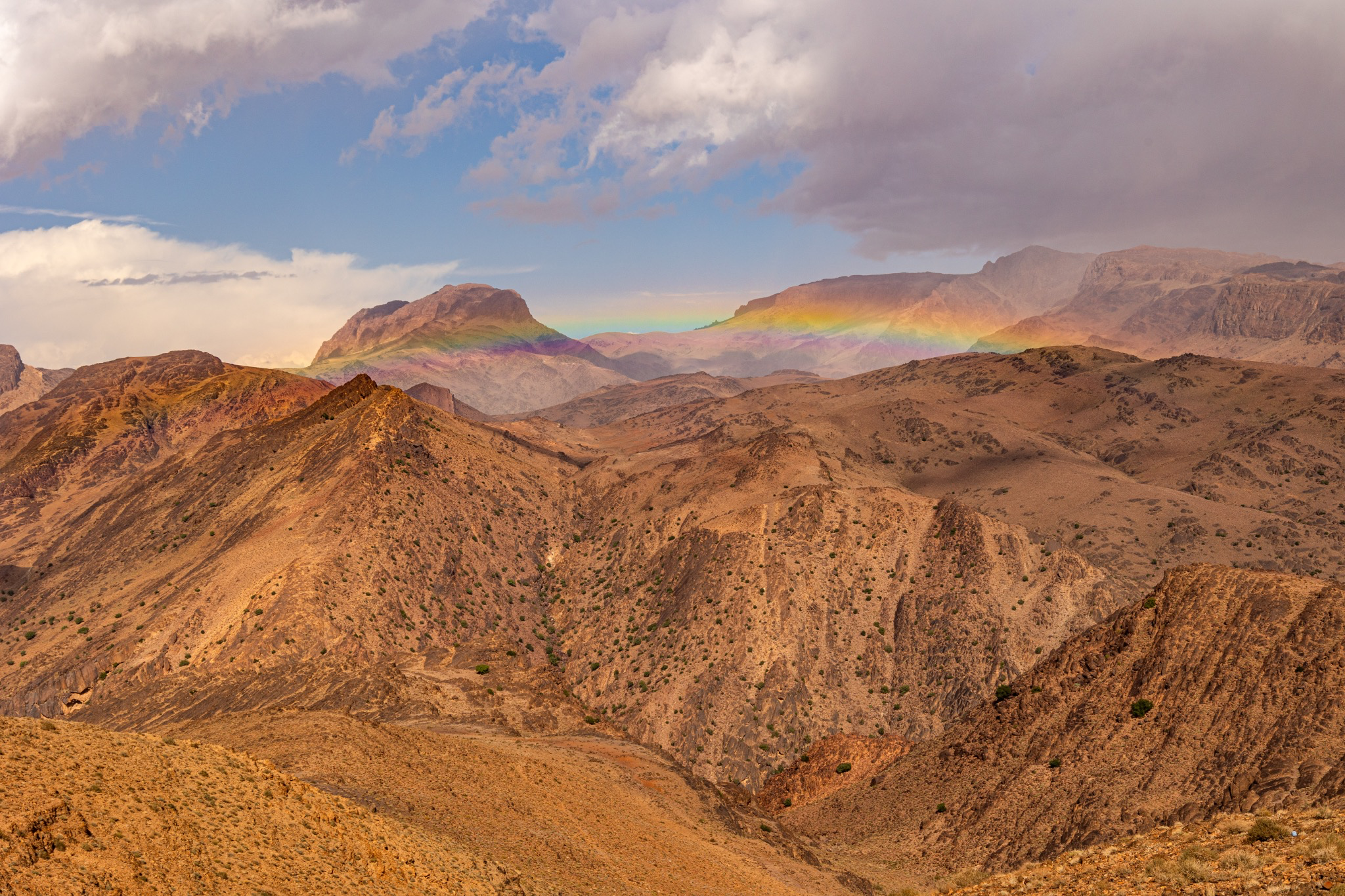
How many days do you really need in Morocco? Seven days can give you a rewarding introduction, ten days can connect the imperial cities with the Sahara, and fourteen days allows Morocco to unfold at a much more natural pace. The right choice depends less on how many places you can fit onto a map and more on the kind of journey you want to experience.
Choosing between 7, 10 and 14 days in Morocco
Morocco is larger and more varied than many first-time visitors expect. Marrakech, Fes, Chefchaouen, the Atlantic coast and the Sahara may look close together, but the Atlas Mountains, winding roads and worthwhile stops make travel days longer than they appear online.
A good itinerary therefore needs balance. It should include time to explore the medinas with a knowledgeable local guide, enjoy the changing landscapes and settle into a riad or desert camp without packing again every morning. Private travel makes that balance easier because the route can respond to your interests, energy and the season.
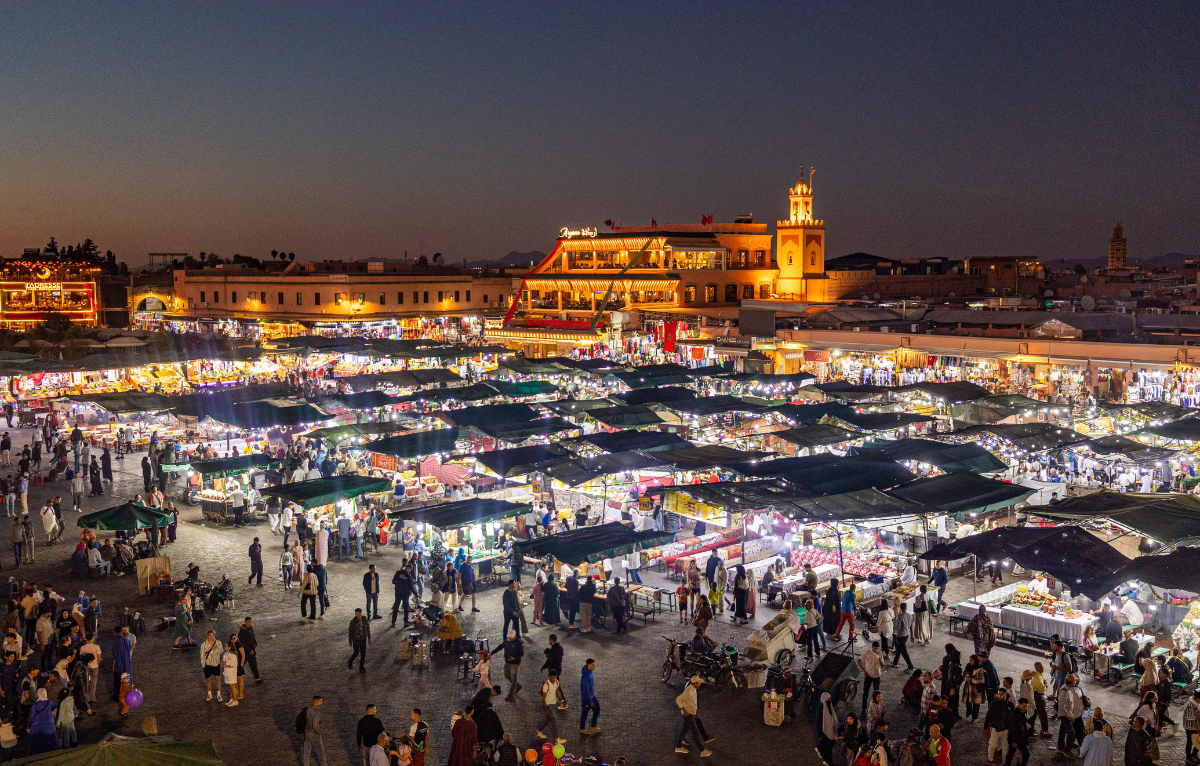
Seven days in Morocco: a focused Marrakech and Sahara journey
Choose seven days when you have one week, are flying into and out of Marrakech, and want to combine the city with the landscapes of southern Morocco. Seven days is enough for a memorable journey, but it is not enough to cover the north, the imperial cities, the Sahara and the coast comfortably.
The strongest one-week route concentrates on Marrakech and the south. Spend your first two days discovering Marrakech: its historic monuments, artisan quarters, souks, gardens and food. Then cross the High Atlas Mountains toward the UNESCO-listed ksar of Ait Ben Haddou and the palm groves and kasbahs of Skoura.
A realistic seven-day outline
- Days 1–2: Marrakech, including a privately guided introduction to the medina.
- Day 3: Cross the High Atlas, visit Ait Ben Haddou and continue to Skoura Oasis.
- Day 4: Travel through the valleys and gorges toward your chosen Sahara region.
- Day 5: Desert landscapes, local encounters and a night in a carefully selected camp.
- Day 6: Begin the return journey through the south, breaking up the drive in a comfortable location.
- Day 7: Return to Marrakech for departure or a final evening, depending on flight times.
You can choose Erg Chebbi, near Merzouga, for Morocco’s best-known high dunes and a route through the Dades and Todra valleys. Alternatively, choose Erg Chigaga, beyond M’Hamid, for a wilder off-road desert experience reached through the Draa Valley. Trying to combine both deserts in one week would create too much driving.
What to expect: spectacular scenery and a genuine taste of Marrakech, the Atlas and the Sahara, but several active travel days. This option suits travellers who are comfortable focusing on one part of Morocco rather than trying to see the entire country.
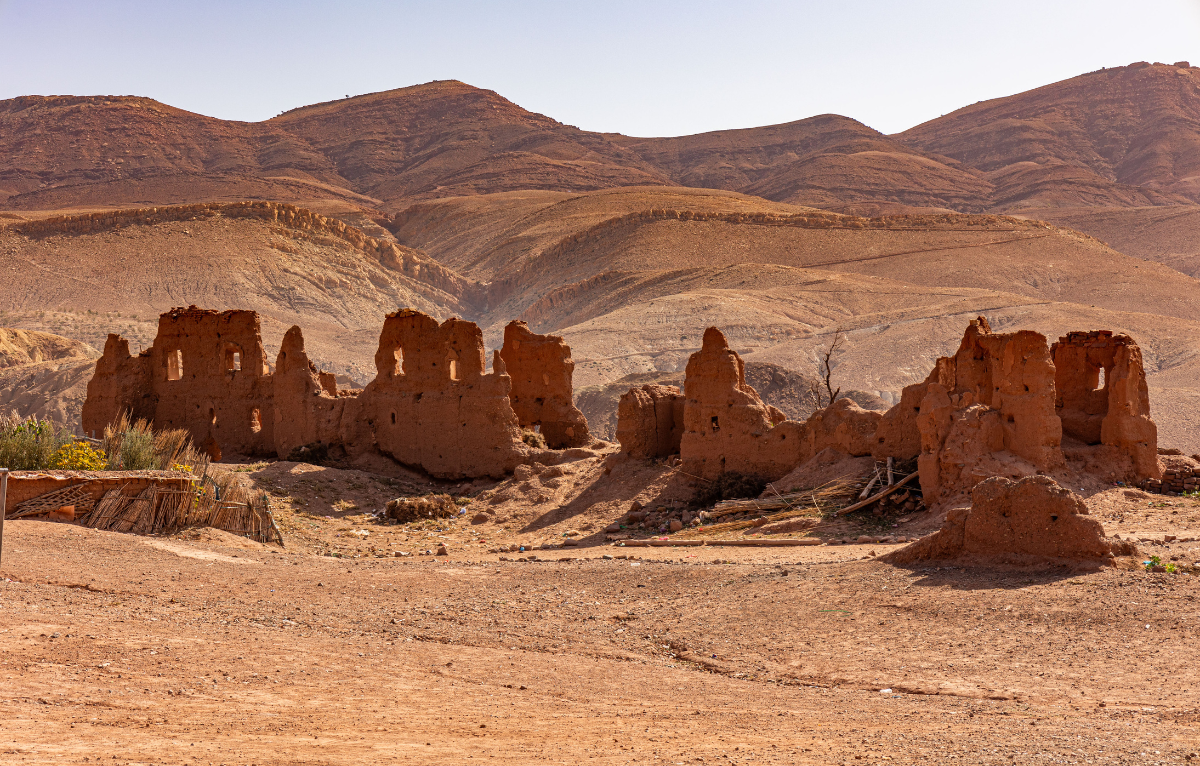
Ten days in Morocco: imperial cities and the Sahara
Choose ten days when you want a broader first journey that combines Morocco’s historic cities with the Sahara. Ten days is often the best compromise for travellers who want to experience both culture and landscape without taking a full two-week holiday.
A practical route normally begins in Casablanca or Rabat and finishes in Marrakech, or runs in the opposite direction. It connects Rabat, Fes and the Roman ruins of Volubilis with the Middle Atlas, Erg Chebbi, the southern valleys and Marrakech. An open-jaw flight—arriving in one city and leaving from another—helps avoid spending valuable time retracing the same road.
A realistic ten-day outline
- Day 1: Arrival in Casablanca and continue to Rabat.
- Day 2: Rabat, Meknes and Volubilis before reaching Fes.
- Days 3–4: Fes, including a full privately guided medina day.
- Day 5: Cross the Middle Atlas toward the southeast.
- Days 6–7: Erg Chebbi and the Sahara, with time beyond a single camel ride and overnight stay.
- Day 8: Todra or Dades and the oasis landscapes of the south.
- Day 9: Skoura, Ait Ben Haddou and the High Atlas road to Marrakech.
- Day 10: Marrakech or departure, depending on your flight schedule.
The exact balance can be adjusted. Some travellers prefer two full nights in Marrakech; others value an additional desert night or a slower day in Skoura. Chefchaouen can technically be added, but doing so usually means shortening Fes, the Sahara or Marrakech. If the Blue City is important, fourteen days is the better choice.
What to expect: Morocco’s essential contrasts—imperial architecture, living medinas, cedar and mountain landscapes, desert dunes, kasbahs and oases. There will still be meaningful driving days, but the route has a logical flow.
Fourteen days in Morocco: the complete, unhurried experience
Choose fourteen days when you want to experience Morocco in depth rather than simply pass through it. Two weeks gives you space for the imperial cities, Chefchaouen, the Sahara, the south, Marrakech and a rewarding Atlantic coast finish.
This is the best choice for travellers who value cultural depth, boutique accommodation, local food and spontaneous encounters. It is also more comfortable for families, photographers and anyone who prefers occasional two-night stays rather than changing accommodation every day.
A balanced fourteen-day outline
- Day 1: Casablanca and Rabat.
- Days 2–3: Chefchaouen and the Rif Mountains.
- Day 4: Volubilis and Meknes en route to Fes.
- Days 5–6: Fes, its medina, artisans, food and cultural heritage.
- Day 7: Middle Atlas journey toward the Sahara.
- Days 8–9: Erg Chebbi, including time to explore the dunes and surrounding communities.
- Day 10: Todra, Dades or the Valley of the Roses and Skoura.
- Day 11: Skoura, Ait Ben Haddou and the High Atlas to Marrakech.
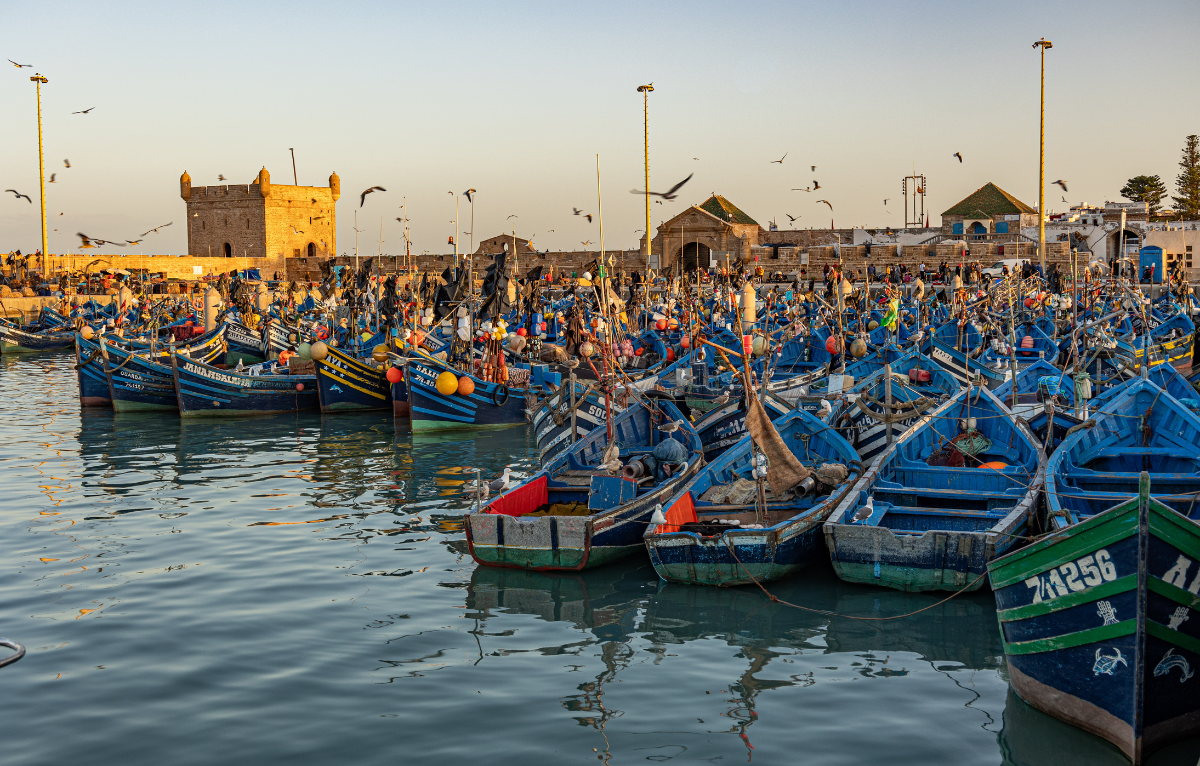
- Days 12–13: Marrakech, or use one of these days to reach Essaouira on the Atlantic coast.
- Day 14: Departure from Marrakech or Casablanca, according to the final route.
With careful flight planning, the coastal section can include two nights in Essaouira. If the Atlantic is a priority, we may shorten another stop or design a southbound itinerary that ends more naturally near Marrakech. Fourteen days also leaves room for experiences that shorter routes often sacrifice: cooking with a local family, walking through an oasis, meeting artisans, visiting a weekly market or simply enjoying an afternoon at your riad.
What to expect: the widest variety and the most comfortable pace. You will still cover significant distances, but the two-night stays and slower experiences make the journey feel like a holiday rather than a checklist.
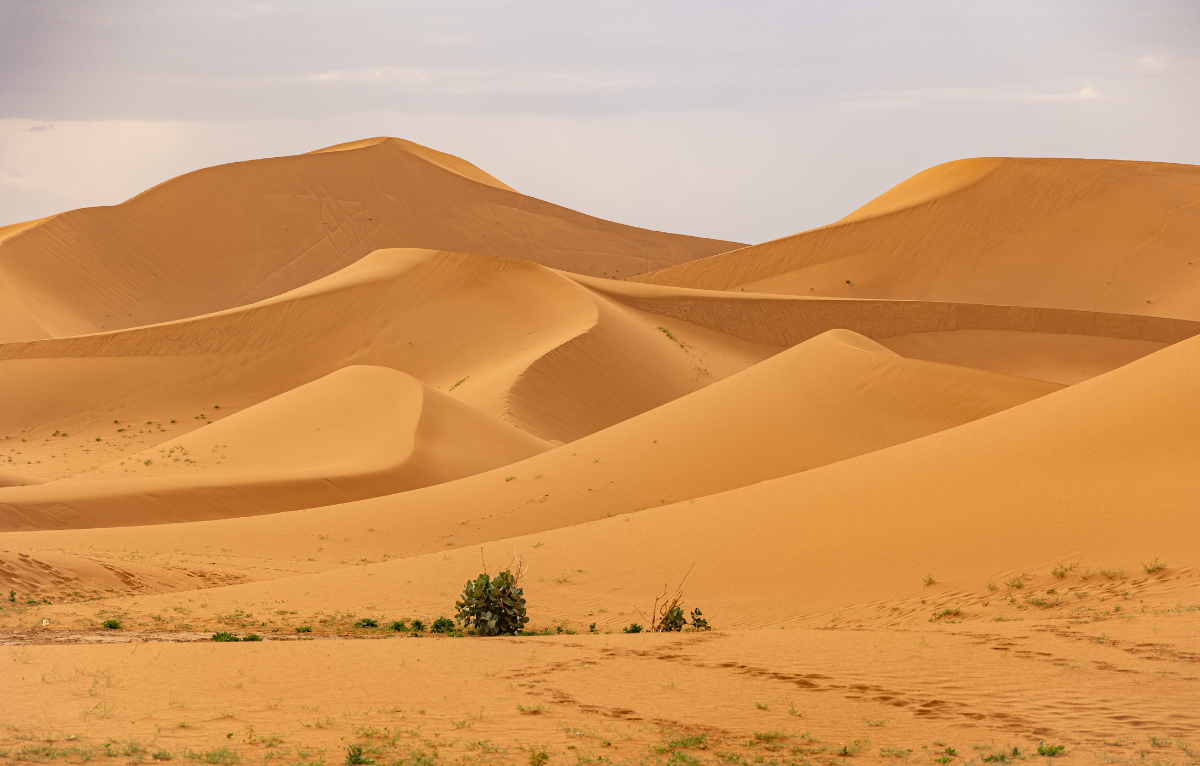
Which Morocco itinerary is right for you?
- Seven days: best for a focused Marrakech-and-south journey, especially when flying in and out of Marrakech.
- Ten days: best for first-time visitors who want the imperial cities and Sahara in one well-planned route.
- Fourteen days: best for the most complete experience, adding Chefchaouen, more two-night stays and potentially the Atlantic coast.
Whichever duration you choose, starting and finishing cities make a major difference. Arrival time, departure time, season and personal interests should shape the route before hotels are booked. A seven-day summer itinerary, for example, should not be planned in exactly the same way as a fourteen-day journey in spring or autumn.
Practical advice before planning
Do not underestimate the driving
The road is part of the experience in Morocco, with mountain passes, villages, valleys and viewpoints along the way. Even so, long transfers should be balanced with proper exploration days.
Give the Sahara enough time
A desert experience deserves more than arriving late, sleeping and leaving immediately after breakfast. Whenever the schedule allows, two nights in the desert region create time for the dunes, local communities, music, food and the changing light.
Choose accommodation for character and location
We favour carefully selected independent riads, kasbahs, eco-lodges and desert camps. Atmosphere, hospitality and location are often more important than a conventional star rating.
Let the route reflect you
Families may need shorter driving stages and swimming time. Photographers may want sunrise and sunset flexibility. Travellers interested in Jewish heritage, food, crafts, hiking or remote landscapes will benefit from a route built around those priorities rather than a standard package.
Why travel privately?
A private Morocco journey gives you control over pace, stops and daily priorities. Your English-speaking driver remains with you between destinations, while specialist local guides bring cities such as Fes and Marrakech to life. It also allows the journey to support family-run accommodation, local guides, artisans and community experiences in a respectful way.
Most importantly, a private itinerary can be honest about what fits. Our role is not to promise every destination in too little time; it is to design a journey that feels rewarding from arrival to departure.
Let us design your Morocco journey
Tell us your travel dates, arrival and departure airports, group size and the experiences that matter most to you. We will suggest the right pace and shape a fully private itinerary around your interests—whether you have seven days, ten days or two full weeks.